Kyiv
Kyiv


Decoding the icons on the car dashboard
Articles
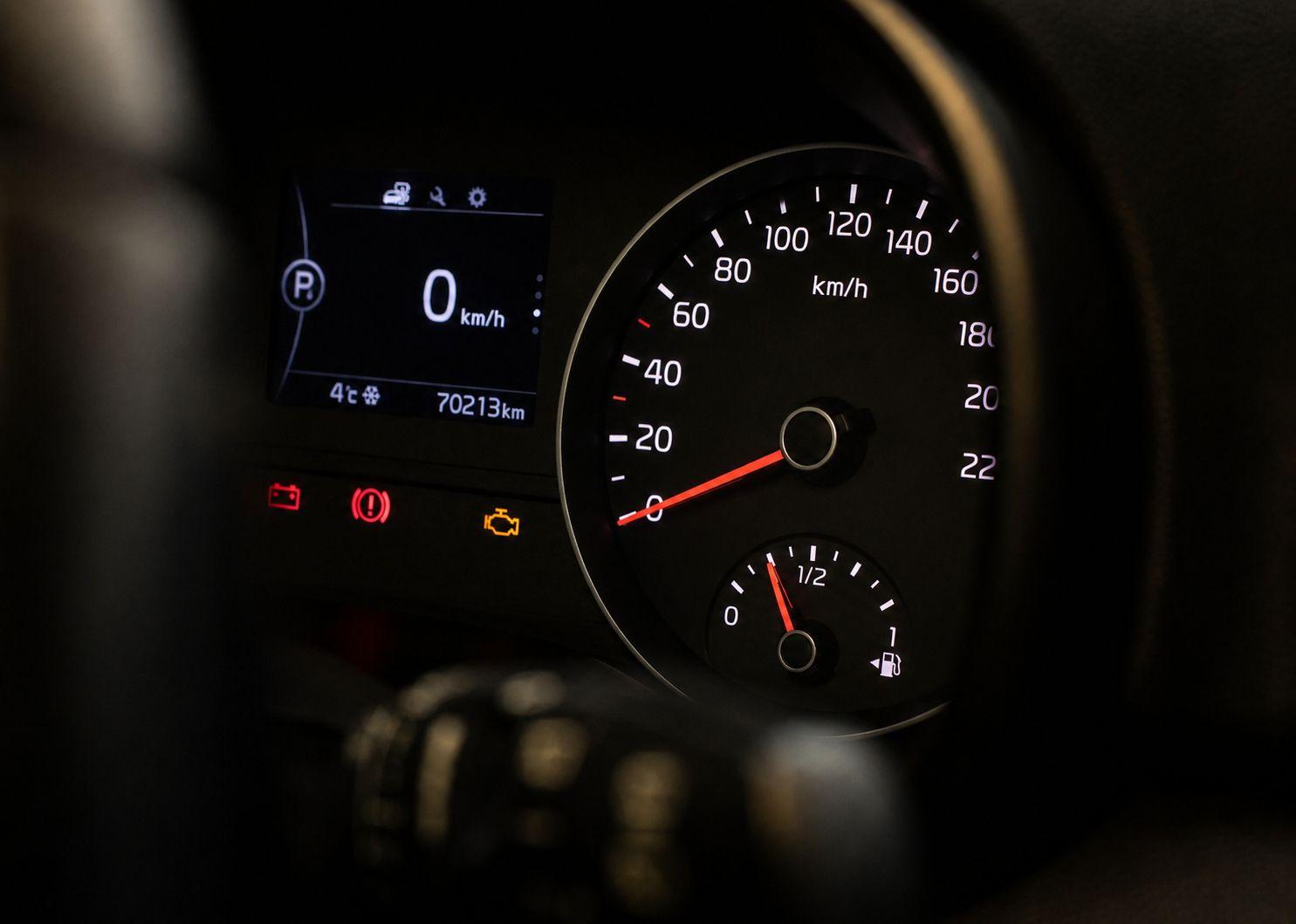
Table of Contents
Dashboard symbols are visual signals that show the status of the car's systems and warn the driver about malfunctions.
What dashboard symbols mean
All symbols on the instrument panel are the car's way of communicating with the driver. This is how the vehicle reports its current technical condition. Each signal is tied to a specific component, process, or system.
Dashboard symbols that light up indicate that a system is operating normally, that there is a deviation, or that a fault has occurred. That is why correctly decoding dashboard symbols allows you to quickly understand exactly what is happening with your car.
Dashboard indicators also differ in importance. Some are informational, others warn about malfunctions, and some signals point to potentially dangerous conditions.
What to do when a dashboard symbol lights up: how to read the signals
When symbols light up in the car, it is important to first determine the type of signal rather than to look up its exact meaning. In practice, that alone is usually enough to understand how critical the situation is.
Color shows the level of risk, behavior shows urgency, and the number of signals shows the scale of the problem.
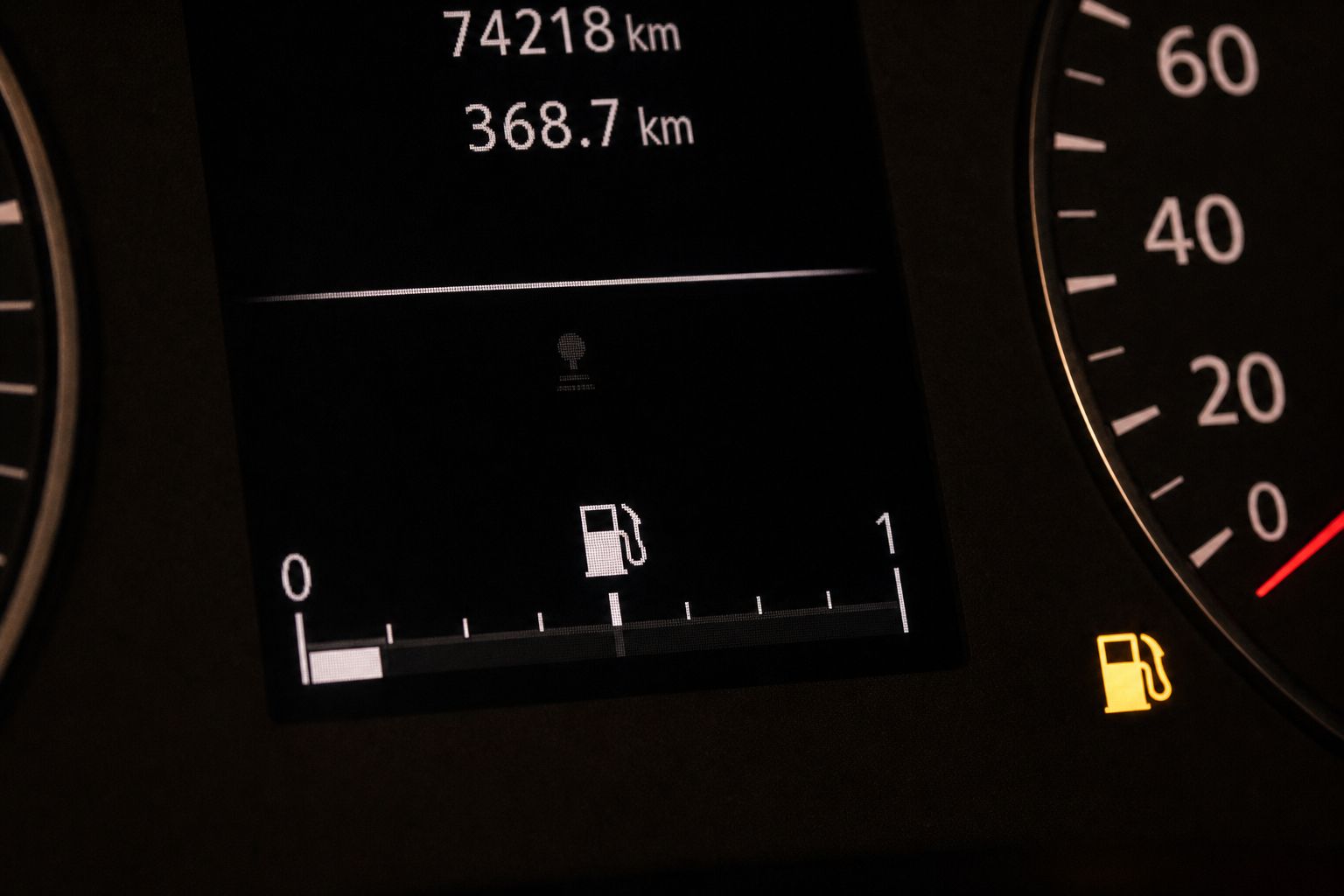
First — the color of the indicator
- A red signal is no longer a warning but a sign of a critical condition in a component or system. Most often this involves oil pressure, engine overheating, or a fault in the brake circuit. In such cases, driving should be stopped at the nearest safe location.
- A yellow symbol on the dashboard is the warning zone. Electronic systems detect a deviation in the technical condition — for example, a change in tire pressure, a sensor fault, or errors in the ABS or stability control (ESP) system. You can usually keep driving, but you should not delay diagnostics.
- Green and blue indicators are operational indicators. They show that a system is active — for example, high beams, cruise control, or other functions. Such signals are not related to malfunctions.
Second — the nature of the signal
A blinking symbol in the car almost always indicates an unstable or critical error. For example, a fault in the control system or incorrect data from sensors. A steadily lit indicator means the error has already been recorded by the onboard diagnostic system and is persisting.
Third — combinations of signals
A single active indicator more often points to a local problem. But if several dashboard symbols light up at once, a chain of related logical errors has likely been triggered, where a fault in one system affects the operation of others.
This is exactly why yellow symbols on the dashboard appear before serious failures. The system records the initial error at a stage when it can still be fixed without consequences.
Decoding dashboard symbols by car system
Engine and motor operation indicators
This group of dashboard symbols is directly related to the operation of the powertrain and its control systems. Most of these signals are generated by the onboard diagnostic system (ECU), which monitors engine parameters: oil pressure, temperature, fuel mixture, and the operation of sensors and actuators. That is why even a single indicator in this group requires prompt attention and a check.
|
Symbol |
What it means |
Why it appears |
Risk |
Can you drive |
What to do |
|
|
Error in engine operation or control system |
Sensor failure, errors in injection or ignition systems, ECU malfunction, exhaust system issues |
Medium → high |
Yes, but not at high speed, if the engine runs steadily and there is no power loss |
Run an OBD diagnostic, read the error code |
|
|
Critical drop in oil pressure in the lubrication system |
Oil leak, oil pump failure, severe engine wear, clogged oil channels |
Critical |
No |
Stop immediately, switch off the engine, check the oil level. Do not start the engine until the cause is fixed |
|
|
Low oil level or deviation in the level monitoring system |
Natural oil consumption, leak, overdue oil change or top-up |
Medium |
Yes, for a short distance |
Check the oil level with a dipstick, top up to the proper level; if the symbol returns, run a diagnostic |
|
|
Engine overheating |
Low coolant level, faulty thermostat or cooling fan |
Critical |
No |
Stop the car, let the engine cool down, check the coolant level and fan operation |
|
|
Problem with the charging system (alternator / battery) |
Faulty alternator, drive belt, or contacts |
Medium → high |
Yes, but with limitations |
Switch off unnecessary consumers and drive to a service station |
|
|
Emergency engine operating mode (power limitation; the symbol may differ between car brands) |
Serious failure in the control system |
Medium → high |
Yes, but with limitations |
Avoid loading the engine, drive to the nearest service station |
|
|
Engine preheating (normal) or system fault (if blinking) |
Faulty glow plugs or control unit |
Low → medium |
Yes |
If blinking, a diagnostic is needed |
 Check engine
 Red oil pressure indicator
 Yellow oil symbol on dashboard
 Engine temperature
 Battery / charging
 Engine power limitation (limp mode)
 Glow plugs (for diesel)
Even with a basic understanding of dashboard symbols and the check engine light, this group of indicators demands the most attention. Engine errors rarely appear out of nowhere. They are usually the result of an accumulated problem or a fault in the control system.
Brake system and safety warning signals
These dashboard symbols relate to the components responsible for emergency braking and the proper operation of stability systems. Some indicators in this group are linked to hydraulics (brake fluid, brake circuit), and some to electronic systems (ABS, stability control, control unit). Since the system can only really be tested in an emergency stop, sensors monitor its condition every time the car starts. That is why even one active indicator is already a sign that the system is not operating normally.
|
Symbol |
What it means |
Why it appears |
Risk |
Can you drive |
What to do |
|
|
Brake system fault or low brake fluid level |
Worn pads, fluid leak, system malfunction |
Critical |
No |
Check the brake fluid level, stop the vehicle, do not continue driving until the cause is fixed |
|
|
Anti-lock braking system error |
ABS sensor failure, control unit issues |
Medium |
Yes, but avoid emergency braking (ABS is not working) |
Drive carefully, avoid emergency braking, run a diagnostic |
|
|
Passive safety system fault |
Crash sensor failure, control unit error |
Medium |
Yes, but the system may not deploy in a crash |
Run a diagnostic; the system may not deploy in a crash |
|
|
Stability control failure or system disabled (if constantly on) |
Faulty sensors, control unit, or traction control system |
Medium |
Yes, but cautiously |
Avoid sharp maneuvers, run a diagnostic |
 Brake system
 ABS
ABS Airbag
 ESP / stability control
This group includes both red and yellow indicators. The color does not indicate the type of system, but the level of severity: red signals mean a serious malfunction, while yellow ones mean a fault or a limitation in how the system is working.
Electronics and control system symbols
This group of dashboard symbols relates to electronic systems that govern the car's behavior: stability, steering assist, sensor operation, and driver-assistance features. Unlike mechanical components, most of these signals are generated by electronic control units and transmitted through the onboard diagnostics.
A particular feature of these systems is that they do not restrict the car's movement — mechanically, it is fully capable of continuing on its way — but it loses automated assistance functions in parallel.
|
Symbol |
What it means |
Why it appears |
Risk |
Can you drive |
What to do |
|
|
Error in one or more sensors |
Dirt, damage, electronic malfunction |
Low → medium |
Yes |
Clean the sensors; if the issue repeats, run a diagnostic |
|
|
Limitation or shutdown of assistance functions (lane keeping, adaptive cruise, etc.) |
Faulty cameras, radars, or control unit |
Low → medium |
Yes |
Continue driving with increased attention, run a diagnostic |
|
|
General system fault signal |
Error in one of the car's electronic systems |
Medium |
Yes, but cautiously |
Check the message on the dashboard, run a diagnostic |
 Sensors (parking sensors, cameras)
 Lane Assist or other driver-assistance systems
 Exclamation mark (general warning)
When such indicators light up, decoding the dashboard symbols points not to a breakdown in the classic sense, but to a limitation or incorrect operation of electronic systems. In normal driving you may not feel it, but in difficult road conditions these are the systems that stop compensating for driver errors.
Dashboard: warning and service symbols
This type of indicator relates to vehicle servicing and the monitoring of consumables. They do not point to critical failures, but they signal the condition of systems on which the car's stable operation depends.
Unlike the previous groups, this is more often about a deviation from the norm rather than a malfunction: a low level, contamination, or the need for service.
|
Symbol |
What it means |
Why it appears |
Risk |
Can you drive |
What to do |
|
|
Low pressure in one or more tires |
Puncture, air leak, temperature changes |
Low → medium |
Yes, but with limitations |
Check the pressure, inflate or inspect the tire if needed |
|
|
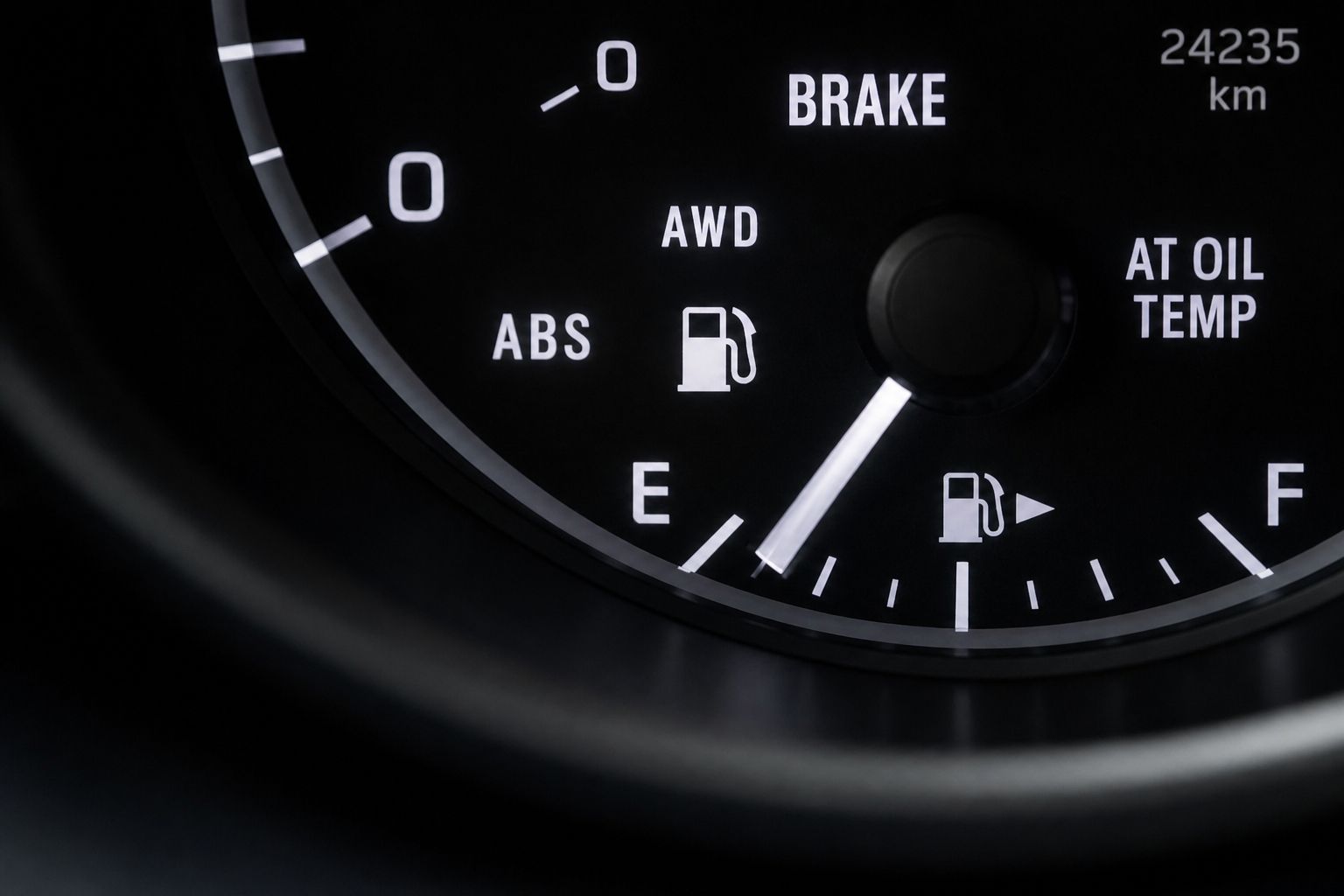
Low fuel level in the tank |
Fuel remaining is below the acceptable level |
Low |
Yes, until the nearest gas station |
Refuel the car |
|
|
Decreased fluid level (most often washer fluid) |
Leak, consumption, overdue maintenance |
Low → medium |
Yes |
Check the level, top up if needed |
|
|
Clogging or reduced filter throughput |
Buildup of contaminants, prolonged use |
Medium |
Yes, but with limitations |
Service or replace the filter |
 Tire pressure (TPMS)
 Fuel level
 Fluid levels
 Filters (air, particulate DPF)
Such dashboard symbols do not call for urgent repairs, but ignoring them leads to a gradual buildup of problems: from increased fuel consumption to accelerated wear of components. These are signals showing that the car has already left its normal operating range and needs servicing.
Informational indicators
Unlike the other groups, these indicators do not warn of risk but confirm that a system is switched on and operating normally.
|
Symbol |
What it means |
Why it appears |
Risk |
Can you drive |
What to do |
|
|
Turn signal or hazard lights are on |
Turn signal switch or hazard lights activated |
None |
Yes |
Make sure they work properly; switch off after the maneuver |
|
|
External lights are on |
Headlights switched on manually or automatically |
None |
Yes |
Use according to driving conditions |
|
|
Front or rear fog lights are on |
Fog lights activated |
None |
Yes |
Use only in poor visibility |
|
|
Cruise control system is active |
Cruise control switched on |
None |
Yes |
Monitor traffic conditions and speed |
|
|
Display of the current transmission mode |
Gear selector position |
None |
Yes |
Check the selected mode before driving off |
|
|
Parking lights or DRL are on |
Lights switched on automatically or manually |
None |
Yes |
Be mindful of how visible the car is to other road users |
 Turn signals
 Lights (low / high beam)
 Fog lights
 Cruise control
 Transmission mode (P / D / N / R)
 Daytime running lights / parking lights
P. S.
In 70% of cases, a yellow symbol on the dashboard is an early signal that allows you to avoid a serious breakdown.
FAQ
Can I drive if an indicator keeps switching on and off?
Yes, but it is not normal. A floating error often points to a sensor problem or an unstable contact. Even if the car drives fine, it is better to have the situation checked, because over time the error can become permanent.
Which is worse: a blinking symbol or one that is just steadily on?
Blinking is usually worse. It indicates an unstable or active error that requires a more urgent response. A steady signal is a recorded problem, but without dynamic deterioration.
Can I just clear the error and keep driving?
You can clear it, but that is not a solution. The error will disappear from the dashboard, but the cause will remain. If the problem is real, the symbol will return — sometimes in a more serious form.
Why does the symbol still stay on after refueling or an oil change?
Because the system does not always "recognize" a physical action automatically. In some cases it takes time for the parameters to update, or a reset through diagnostics is needed.
Can a single dashboard symbol mean different problems?
Yes. The same indicator can light up for different reasons — from a sensor issue to a serious malfunction. That is why both decoding the dashboard symbols and proper diagnostics are important.
Can I ignore yellow dashboard symbols if the car drives normally?
Technically — yes, but it is a risk. Yellow signals appear before serious problems and give you time to react. Ignoring them more often leads to more expensive repairs later.