Kyiv
Kyiv


The Most Reliable Car: Car Reliability Ratings from CR, J.D. Power, and ADAC
Articles

Table of Contents
When people search for "the most reliable car," many expect a single answer — but in reality, there isn't one. That's because reliability is measured against different criteria: breakdown frequency, ease of operation, on-road failure statistics, and even market conditions. In Acars.ua's practice, this question comes up in almost every car selection — but always in a different context: city driving, highway, budget, mileage. The question of which car is the most reliable always comes down to what reliability actually means — being low-maintenance, the service life of components, or the risk of expensive repairs. Below we'll look at which car is the most reliable under each of these approaches and how this is supported by data from specialized studies.
Models that appear most often in reliability rankings
If we look at how often the same names recur across different reliability studies, the most frequently mentioned models are:
- Toyota Corolla;
- Toyota Camry;
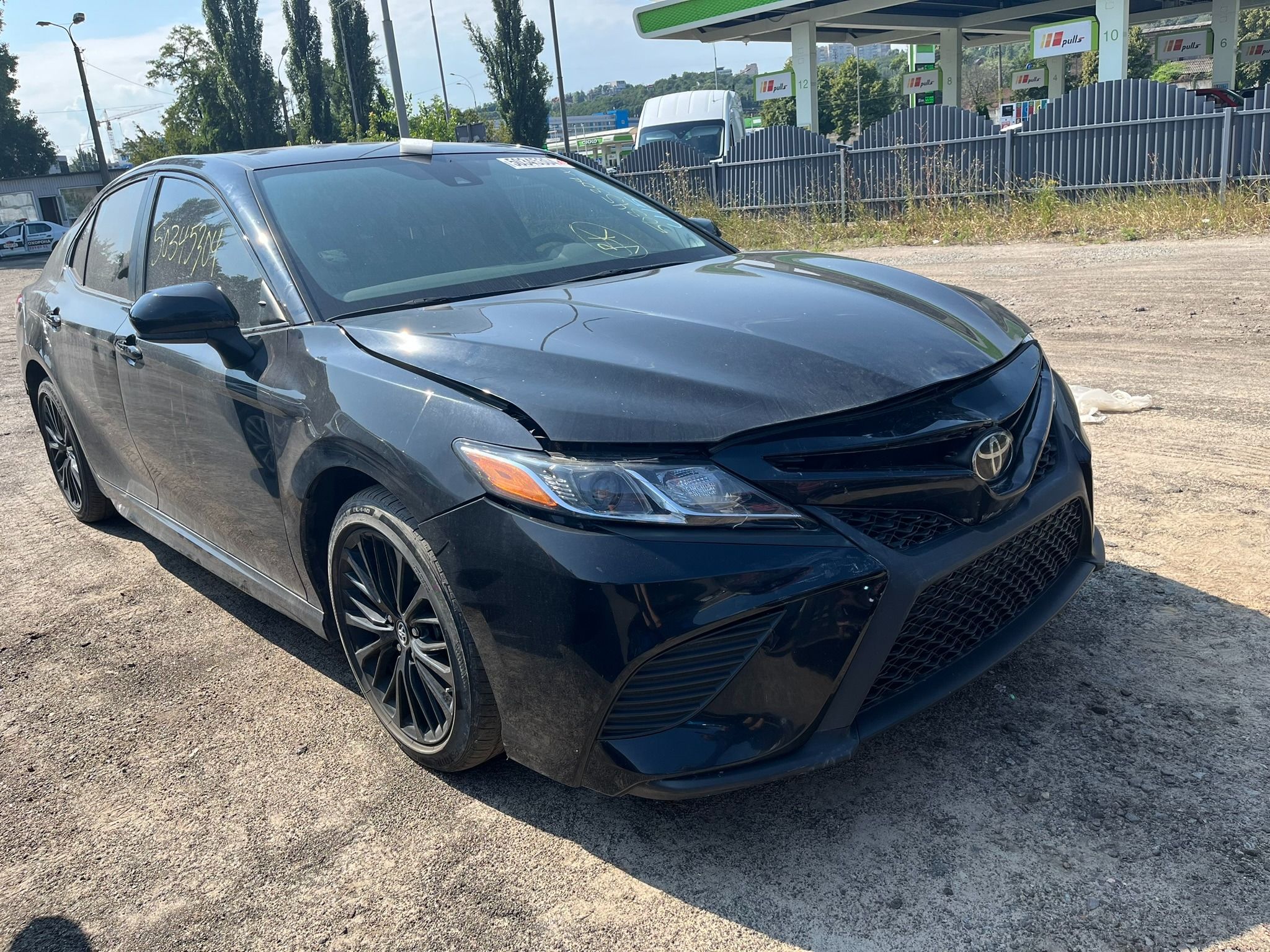
- Lexus NX;
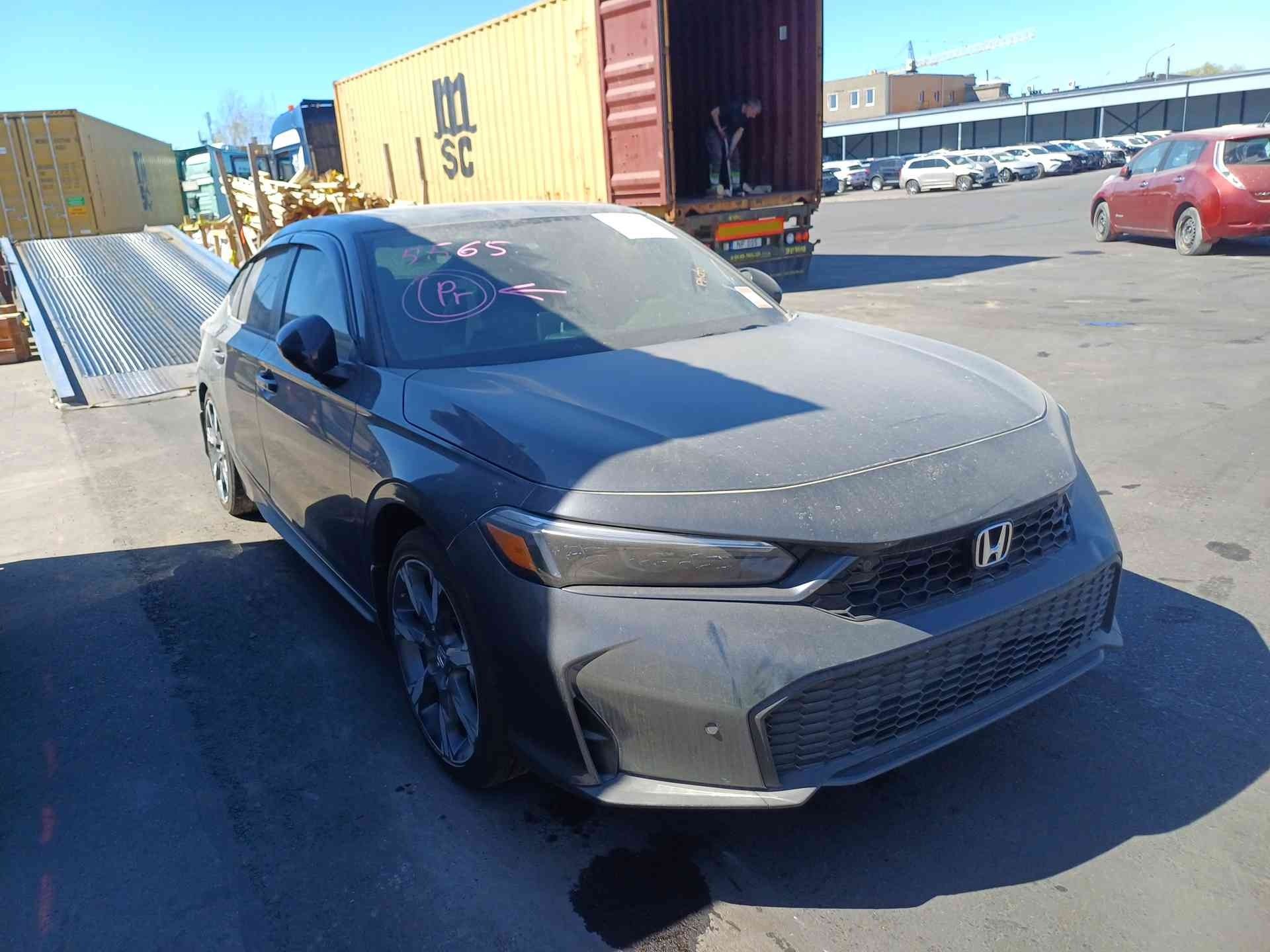
- Honda Civic;
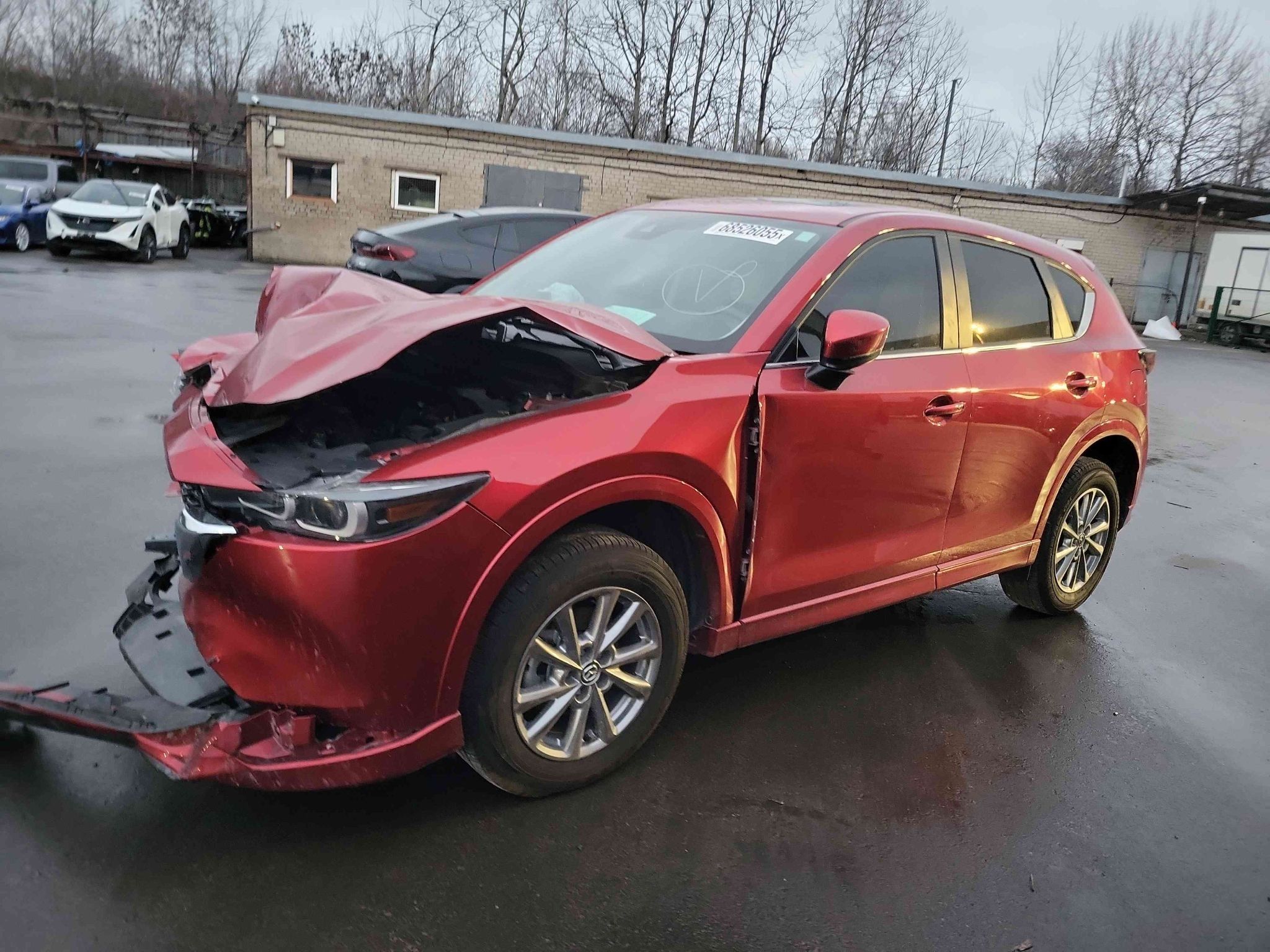
- Mazda CX-5.
This list largely matches what is most often called the top reliable cars across various sources, but the next step is to understand exactly why these models end up there.
Which car is the most reliable in the world: why authoritative rankings disagree
For our analysis, we rely on data from specialized studies used by insurance companies, automakers, and dealers when assessing reliability:
- The U.S. organization Consumer Reports builds its score from owner surveys and the service history of models, so it shows predicted reliability — how often a car of a specific model year is likely to need repairs in the future.
- The U.S. analytics firm J.D. Power calculates its own PP100 metric, which measures the number of problems on a specific version of a car per 100 such vehicles after several years of ownership. The analysis also includes glitches in electronics, infotainment, and driver-assistance systems.
- The German automobile club ADAC records actual roadside-assistance calls from its members — that is, situations in which the car physically cannot continue driving (highway, city, off-road).
Depending on which type of reliability is taken as the basis, one ranking may call a car reliable because it has the fewest complaints, while another may favor the car that least often gets stranded on the road due to a fault. This gives the user an objective reference point. The choice comes down to which risk you want to minimize — frequent minor problems or the likelihood of a major failure.
Top most reliable cars according to Consumer Reports
The Consumer Reports ranking is most relevant for buyers choosing a new or nearly new car. The organization studies how many problems are reported by owners during the first few years of ownership of a brand-new car or one with very low mileage. According to CR, the 2026 ranking is built on data from more than 380,000 vehicles, covering models from 2000 to 2025.
This top of the most reliable cars is built specifically on Predicted Reliability statistics for low-mileage vehicles, not on the overall vehicle score.
|
Rank (CR) |
Model |
Key takeaway when choosing |
|
#1 |
Mazda MX-5 Miata |
Top of the ranking — a simple, time-tested design |
|
#2 |
Toyota Prius |
Hybrid system with extensive accumulated data |
|
#3 |
Subaru Crosstrek |
Consistently appears in CR rankings among compact crossovers |
|
#4 |
Toyota Crown |
Listed in CR among the newer models, indicating an already established service track record. |
|
#5 |
Toyota Corolla |
A mass-market car with predictable running costs and a reliable technical base. |
|
#6 |
Toyota Tacoma |
The presence of a pickup in the ranking shows that body style does not affect the reliability score. |
|
#7 |
Honda Accord |
Regular presence in CR rankings points to a steady service track record. |
|
#8 |
Toyota Grand Highlander Hybrid |
Included in CR among newer models, indicating stable performance early in service. |
|
#9 |
Toyota Highlander Hybrid |
Regularly featured in CR rankings, signaling consistent predicted reliability. |
|
#10 |
Lexus NX |
An example of reliability in the premium segment. |
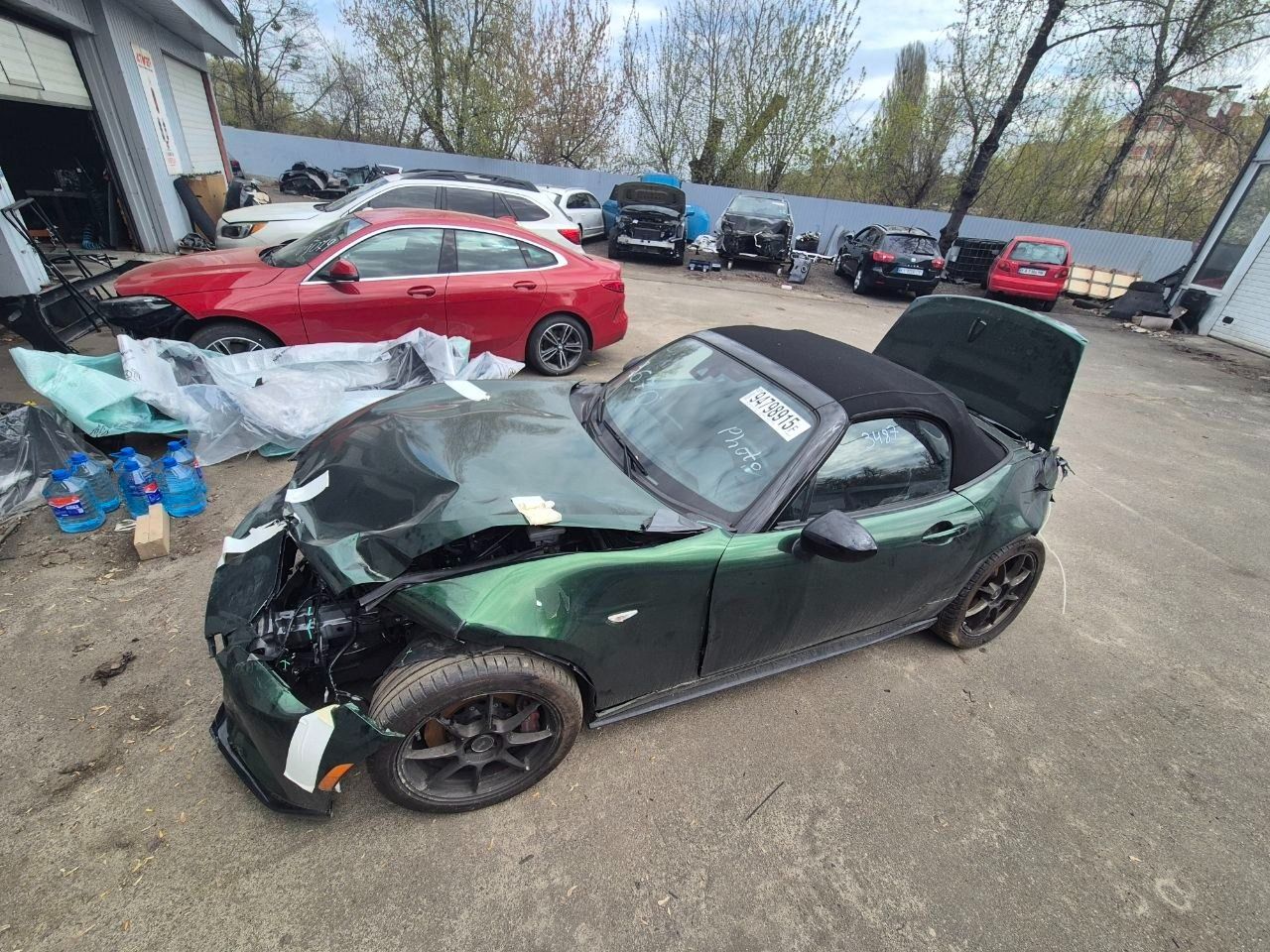
Mazda MX-5 Miata
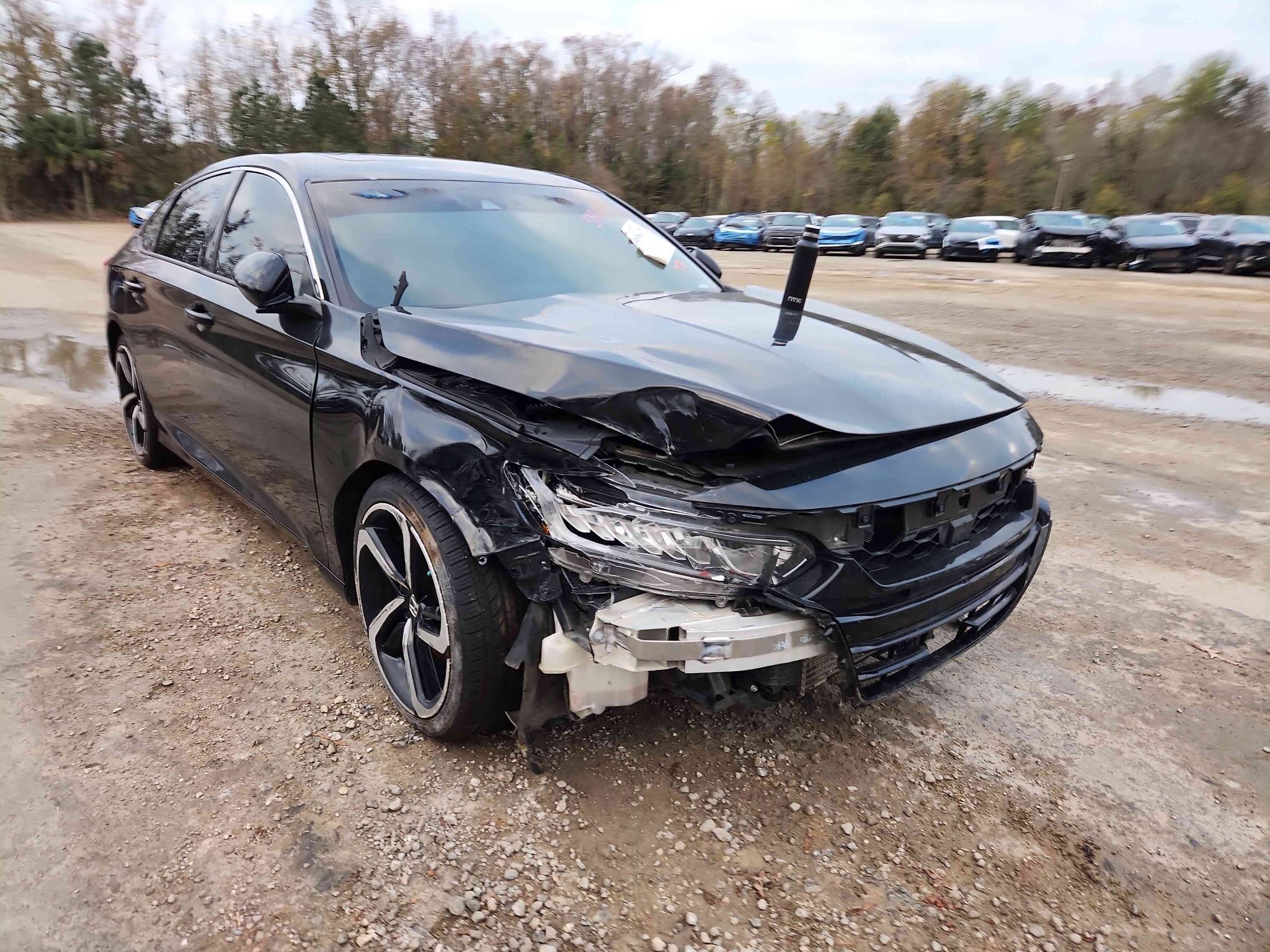
Honda Accord
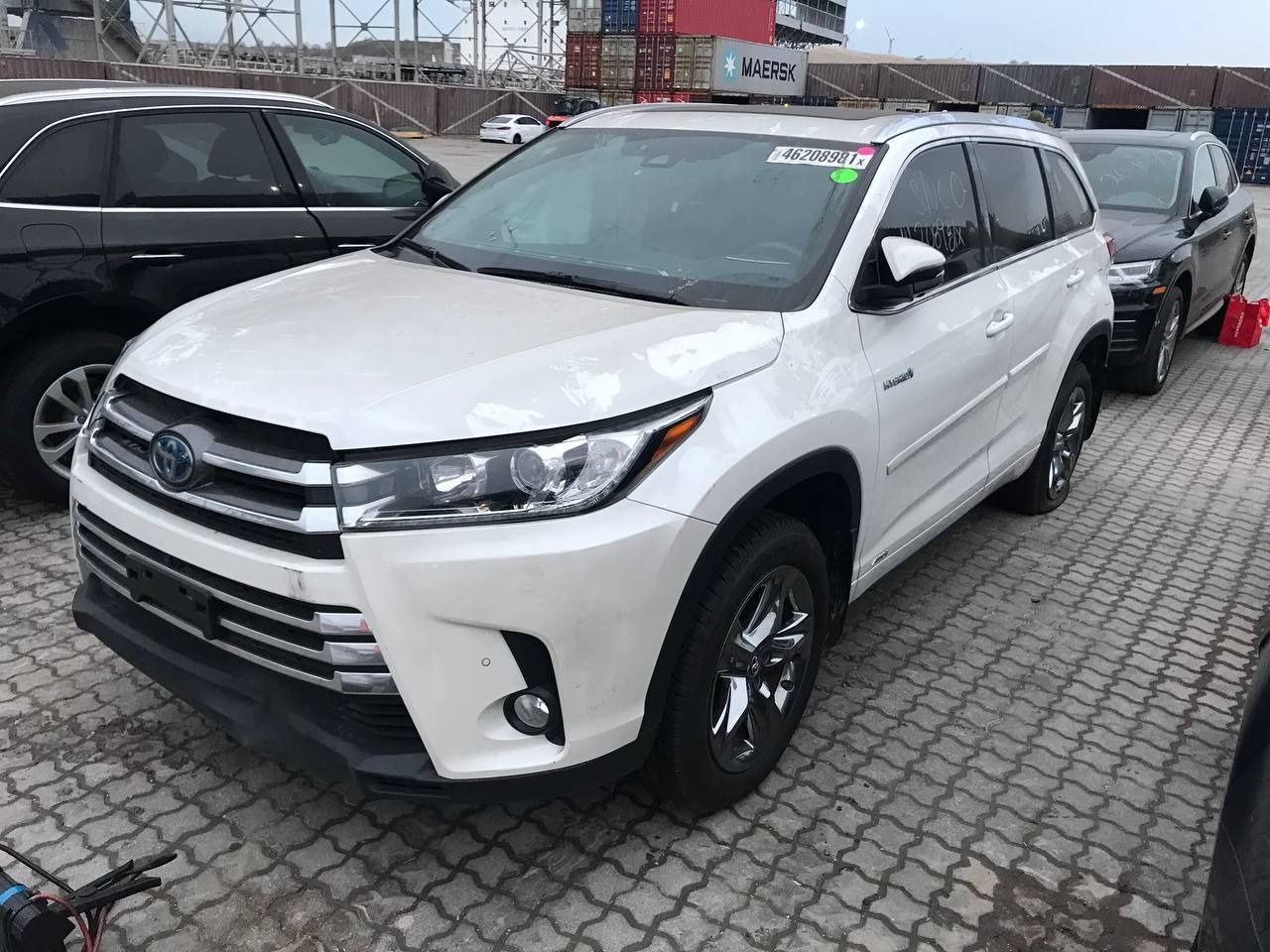
Toyota Highlander Hybrid
The main takeaway from this ranking: when choosing a new car, you need to look not only at the brand but also at the production year of the specific trim, its generation, and its technical maturity. The CR list features many Toyotas and hybrids, but the top spot goes to the Mazda MX-5 Miata. So the most reliable car in the world according to Consumer Reports doesn't always match what a user considers the most universal option for a family, highway driving, or the Ukrainian market. That's why the CR ranking is best used as a reliability filter rather than a ready-made answer to "what should I buy."
A reliable car according to J.D. Power
The ranking based on J.D. Power data focuses on cars at around 3 years of age. The firm's analysis shows how many problems are reported by owners of a specific model in actual ownership, not in a forecast. The underlying metric is PP100 (problems per 100 vehicles) — the number of problems reported per 100 cars. The lower the value, the higher the actual reliability.
Rather than a classic top-10 list, we offer a selection of cars recognized by J.D. Power with model-level awards — vehicles with the fewest problems in their categories based on real-world ownership.
|
Model |
Status in the study |
|
Lexus IS |
best vehicle overall |
|
Lexus UX |
model-level award |
|
Lexus GX |
model-level award |
|
Toyota Corolla |
model-level award |
|
Toyota Camry |
model-level award |
|
Toyota Tacoma |
model-level award |
|
Toyota Sienna |
model-level award |
|
Toyota 4Runner |
model-level award |
|
Buick Enclave |
model-level award |
|
Cadillac XT6 |
model-level award |
|
Chevrolet Equinox |
model-level award |
|
Chevrolet Tahoe |
model-level award |
According to the study, Toyota received the most model-level awards — 8, more than any other manufacturer. This means that even with the brand's middle-of-the-pack position in the overall PP100 ranking, specific Toyota models still demonstrate consistent reliability in their categories.
At the same time, General Motors received 4 model awards (Buick Enclave, Cadillac XT6, Chevrolet Equinox, Chevrolet Tahoe). The conclusion is that, in J.D. Power's data, reliability is distributed unevenly within a brand, with both strong and more problematic models.
By J.D. Power's logic, the most reliable car is not a representative of "the most reliable brand," but a specific model that has shown the fewest problems in its category over several years of ownership.
How J.D. Power's studies are conducted
The methodology covers 184 problem categories and is built on surveys of more than 33,000 vehicle owners after three years of ownership. J.D. Power's data captures any kind of fault or glitch: from transmission and suspension issues to infotainment errors, unstable driver-assistance behavior, and smartphone-connectivity problems. This is exactly what radically changes the perception of a car's reliability, because a model can be mechanically robust yet score a high PP100 due to imperfect electronics.
In J.D. Power's logic, the answer to the question of which car is the most reliable shifts from mechanics to electronics. The largest share of problems falls on infotainment (56.7 PP100) and body components (27.5 PP100), with a substantial portion of complaints tied to Apple CarPlay, Android Auto, and mobile integration.
Against this backdrop, another clear pattern emerges with a simple logic: the more technologically advanced the car, the harder it is to make it into the leaders. Premium models on average show worse results (217 PP100 versus 204 across the market), and hybrids and EVs lag behind their gasoline counterparts. The reason is the increased number of systems and points of failure. For buyers, this means that when choosing a car around 3–4 years old, you should focus on models with a low PP100 rather than on the brand's overall ranking.
A reliable car according to ADAC
The ADAC ranking is based on real assistance calls to the organization. Only on-road incidents are taken into account — situations where the car needs technical support and cannot continue without it. This kind of statistics shows which cars actually fail during use. Unlike other sources, this is not the subjective experience of owners or a forecast, but actual cases in which a car cannot continue driving without technical assistance because of a breakdown. The 2026 study analyzes data on 158 models from 27 manufacturers, covering only mainstream cars with a sufficient number of registered vehicles.
The main metric is the Pannenkennziffer (PKZ). This number reflects the count of breakdowns per 1,000 cars of one model depending on age (for example, 3-year-old or 4-year-old vehicles). The lower the value, the less often the car ends up in a situation requiring roadside assistance — and the more reliable the car turns out to be.
We're not building a classic top-10 here, but highlighting the models flagged in the study either as especially reliable or as having an elevated breakdown rate.
|
Model |
Status in the study |
|
BMW i3 |
one of the most reliable (PKZ 0.4 among 3-year-old cars) |
|
Tesla Model 3 |
one of the most reliable (PKZ 0.7 among 3-year-old cars) |
|
Mini |
one of the most reliable among gasoline models (PKZ 0.8) |
|
BMW X2 |
one of the most reliable among gasoline models (PKZ 0.8) |
|
Toyota C-HR |
noted as a model with elevated breakdown rates in several model years |
|
Toyota RAV4 |
noted as a model with elevated breakdown rates in several model years |
|
Toyota Yaris Cross |
noted as a model with elevated breakdown rates in several model years |
|
Toyota Corolla |
noted as a model with elevated breakdown rates in several model years |
|
Hyundai IONIQ 5 |
elevated number of breakdowns due to issues with a power-system component |
Tesla Model 3

2018 MINI COOPER

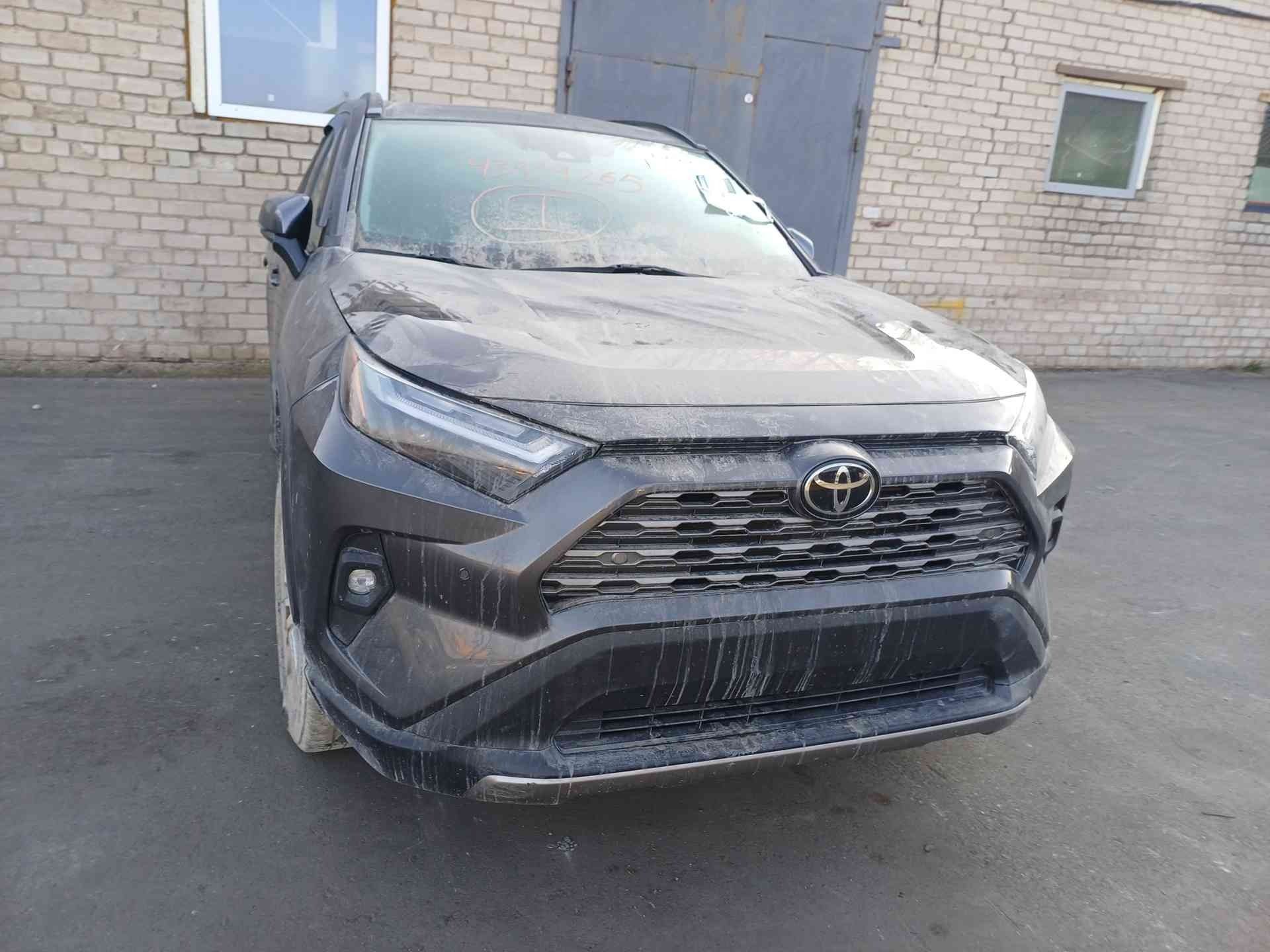
Toyota RAV4
ADAC's data shows that the probability of a breakdown is directly tied to the age of the car, but this effect is gradually weakening. While in 2015 the breakdown probability for a 10-year-old car was 6.5%, by 2025 it had dropped to 3.1%. At the same time, the average age of cars appearing in the breakdown statistics is approaching 14 years, reflecting the broader trend of an aging vehicle fleet.
A separate finding concerns the type of powertrain. EVs on average show a lower breakdown rate. For 4-year-old cars, for instance, the figure is 6.5 PKZ versus 12.5 for vehicles with internal-combustion engines. This is due to a smaller number of wear-prone components. At the same time, EVs more often have problems with onboard electronics, which is linked to the more complex architecture of their systems.
The most common reason for assistance calls is not the engine and not the transmission, but the 12-volt battery, which accounts for almost half of all cases — and which in principle makes it harder to build a fully accurate top of the most reliable cars. The conclusion: even a technically sound car can fail because of a malfunction in auxiliary systems. In practical terms, this is one of the most important rankings, because it shows not the number of problems but the probability that the car simply won't reach its destination.
Which car is the most reliable in the world: where the CR, J.D. Power, and ADAC rankings overlap
To draw an objective conclusion, we cross-checked the analysis of the Consumer Reports, J.D. Power, and ADAC rankings. A single leader that is equally strong across all methodologies is essentially nowhere to be found. So when answering the query "the most reliable car," what matters is not first place in one ranking but agreement across several sources (at least two) and an understanding of where exactly a model proves its reliability. This is fundamentally different from the classic lists of most reliable cars, which take only one rating system into account. Agreement with ADAC additionally points to a low probability of a critical on-road failure.
|
Brand / model |
Where it is confirmed |
Practical takeaway |
|
Toyota (Corolla, Camry, Tacoma, Sienna) |
Consumer Reports, J.D. Power; partly ADAC (with caveats) |
The strong point is consistency at the level of specific models and generations. CR shows predicted reliability; J.D. Power shows a low number of problems for cars around 3–4 years old. ADAC reveals variation within the brand and emphasizes that the choice should be a specific version and model year, not "Toyota" as a brand in general. |
|
Lexus (IS, NX) |
Consumer Reports, J.D. Power |
One of the most consistent options among premium cars. The Lexus IS is the best overall in J.D. Power, and the Lexus NX is on the CR reliability list. Agreement across different methodologies makes Lexus a robust choice if you want the most reliable car in its class. |
|
BMW i3 / Tesla Model 3 |
ADAC |
Minimal breakdown rates by PKZ. This is reliability on the road (getting to your destination without a full stop due to a breakdown). Not confirmed as universal leaders in other rankings, but strong in city driving. |
|
Mazda MX-5 Miata |
Consumer Reports |
Leader in predicted reliability, but without confirmation in other methodologies. A strong result within CR, but it cannot be called a universally most reliable car. |
The key insight: the overlaps reveal not a specific model but a pattern. Toyota and Lexus are mentioned more often than others as reliable across different sources, but ADAC delivers a tangible practical assessment and shows that reliability within a single brand is also a relative concept. A model confirmed by all three sources at once is essentially absent from the current data.
All the data we've reviewed boils down to one practical decision-making logic:
- If a model lines up in both Consumer Reports and J.D. Power, it means a low number of problems and stable ownership in the first years.
- If a model performs strongly in ADAC, that points to a low risk of being stranded on the road and reliability in critical situations, but does not reflect the number of minor faults.
- If the rankings don't overlap, the model has to be evaluated strictly for a specific use case, not viewed as a universally reliable option.
Design choices that make a car reliable
A car's reliability is also defined by the design of its main components. The same engineering choices, proven over time and across different driving conditions, consistently cause fewer problems in service, regardless of the model:
- A naturally aspirated engine is in most cases more reliable than a high-output turbo. Lower thermal and mechanical stress reduces wear and makes the engine less sensitive to service quality and fuel quality.
- A classic torque-converter automatic is more predictable than robotized transmissions. It handles city driving better and depends less on control algorithms.
- Multi-point fuel injection is simpler in design than direct-injection systems. This reduces the number of potential failure points and makes service easier.
- The less complex electronics there are, the lower the chance of glitches. A significant share of problems in modern cars is tied specifically to infotainment, sensors, and digital systems.
- A mature platform is almost always more reliable than a brand-new generation. After several years in production, the manufacturer addresses common weak points and the number of problems goes down.
The most reliable used cars in Ukraine
On the Ukrainian market, a reliable car isn't the one that takes first place in international rankings — it's one that:
- is widely available (with selection and parts);
- is well known by service shops;
- resells consistently.
That's why this list is dominated by models that simultaneously appear in sales statistics, are commonly imported from the U.S. and Europe, and behave predictably as they accumulate mileage:
- Toyota Corolla;
- Toyota Camry;
- Toyota RAV4;
- Mazda CX-5;
- Honda CR-V;
- Honda Civic;
- Skoda Octavia;
- Hyundai Tucson.
In most cases, the optimal range is cars between 5 and 10 years old with a transparent service history, where the typical factory weak points of the specific generation have already been addressed.
Affordable automatic cars for women
In the affordable-automatic segment, reliability is most often defined by the type of transmission, the simplicity of the engine, and how widespread the model is on the market — which in turn affects the cost of service. Ukraine's top of the most reliable cars for women includes:
- Toyota Corolla;
- Toyota Yaris;
- Honda Civic;
- Honda Jazz (Fit);
- Mazda 3;
- Hyundai Accent;
- Kia Rio.
This list reflects realistic options for the Ukrainian market: mass-market models with automatic transmissions and predictable behavior over their service life.
Which cars most often lose reliability
The greatest risk of declining reliability applies to cars in the first model year after a platform change, when design decisions haven't yet been validated in real-world use. Overstressed small-displacement turbo engines and dual-clutch transmissions with dry clutches handle city conditions worse, which accelerates component wear. Complex systems such as air suspension and premium-tier electronics significantly raise the probability of failures and the cost of repair as mileage builds up. Another risk factor is rare models with limited parts availability and no specialized service network, where even minor issues become much harder to fix.
FAQ
Is it worth paying more for a newer car if reliability matters?
Not always. A newer car may come with complex electronics or first-year-of-production teething issues, which raises the risk of problems. In a number of cases, an older but proven version of a model shows steadier real-world reliability than the new generation.
How does mileage affect a car's reliability if the model is considered a "good one"?
Mileage on its own isn't a critical factor as long as the car has been serviced regularly. What matters is not how many kilometers it has covered but how those kilometers were driven: highway use wears components more slowly than stop-and-go city driving or rural roads. Insurance companies and dealer used-car valuation programs factor this into their analysis.
Does it make sense to look at the country of manufacture when choosing a reliable car?
The country of assembly may affect the quality of individual components, but in modern cars the specific platform and model generation matter far more. The same car can vary in reliability depending on the version and the market it was built for.