Kyiv
Kyiv


The Best Used Cars Under $15,000 in 2026: Ranked by Liquidity and Resources
Articles

Table of Contents
A $15,000 budget for a used car seems universal. It is enough to count on modern design, decent equipment, and relatively low mileage. But in practice, this exact range most often leads to mistakes.
In 2026, a car under $15,000 is not about getting the newest one, but the most liquid one in terms of engine-transmission-service life configuration. This category already includes vehicles with a high level of comfort and equipment, but without a clear understanding of the remaining technical life and maintenance costs, such purchases quickly lose their financial rationale.
Acars.ua actively works with this price range, so we created our own TOP list of which used cars under $15,000 are truly justified in Ukraine in 2026. Based on more than 7 years of experience, we know exactly why a smart choice begins with a deep understanding of the segment, residual value, and predictability of a model's technical maintenance.
Cars Under $15,000 in 2026: What You Can Really Buy and Why Model Year Is Not the Main Criterion
Today, the used car market has become less forgiving of selection mistakes. Popular crossovers and mass-market sedans continue to remain stable in price. Rare trims and complex internal-combustion systems, on the other hand, lose resale value faster. That is why a car under $15,000 is always about the right balance between class, condition, and future resale.
The main trap in this budget is focusing only on the model year. For example, a 2020 car with a turbo engine and CVT often requires more investment after 6 years of use than a 2017 version with a naturally aspirated engine and a classic automatic transmission. As a result, the three-year difference is offset by maintenance costs and declining demand.
In 2026, cars under $15,000 are evaluated not by model year, but by the combination of liquidity, technical service life, and predictable expenses over the next 2-3 years of ownership.
That is why the list of the best used cars under $15,000 more often includes mass-produced models with well-studied engineering and simple maintenance. In the TOP cars under $15,000 category in Ukraine, the winner is not the newest option, but the one that can be sold two years later without serious price inflation in the wrong direction.
How the TOP Cars Under $15,000 List Is Formed: 5 Criteria of Professional Selection
Any ranking without a methodology is subjective. To determine which used cars under $15,000 are truly considered the best and most justified in 2026, we use an evaluation system based on market practice and resale statistics. What matters is not the model as a whole, but a specific configuration and how it behaves after several years of use.
Selection criteria:
- 1Version liquidity. The engine-transmission-drivetrain combination is analyzed. Naturally aspirated 1.6-2.5 L engines and a classic torque-converter automatic sell on average 20-30% faster than turbo versions with a CVT or automated manual transmission.
- 2Powertrain service life. The behavior of the engine and transmission after 150,000-200,000 km is assessed. Components with a high wear risk are taken into account: timing chain wear, turbocharger wear, mechatronics, and the automatic transmission valve body.
- 3Cost of ownership. The average scheduled-maintenance bill, the price of common jobs (clutch replacement, suspension repair, turbo service), and the availability of spare parts on the Ukrainian market are compared.
- 4Trim level as a demand factor. The presence of climate control, a multimedia system, safety assistants, and all-wheel drive. The options package directly affects resale speed and price retention.
- 5Body predictability. Resistance to corrosion, the cost of safety components, and the price of repairs after minor accidents are taken into account.
TOP Cars Under $15,000 in Ukraine: 4 Segments Where This Budget Works Rationally
|
Request |
Which Cars to Consider |
|
If you need a crossover with high liquidity |
Toyota RAV4 2.5 (2016-2018), Mazda CX-5 2.0/2.5 (2016-2018), Nissan Rogue 2.5 (2016-2018) |
|
If the goal is resale in 2-3 years |
Toyota Camry 2.5 (2016-2018), Toyota Corolla 1.8 (2017-2019), Toyota RAV4 2.5 (2016-2018) |
|
If minimal maintenance costs are the priority |
Hyundai Elantra 2.0 MPI (2018-2020), Kia Cerato 2.0 (2017-2019), Ford Fusion 2.5 (2017-2019) |
|
If you want D-class comfort but with a simple engine |
Honda Accord 2.4 (2016-2018), Mazda 6 2.5 (2016-2018), Toyota Camry 2.5 (2016-2018) |
|
If you are considering a hybrid/EV with a healthy battery |
Toyota Prius 1.8 Hybrid (2017-2019), Chevrolet Volt (2017-2018), Hyundai Ioniq Electric (2018-2019) |
Compact Crossovers
Compact SUVs account for the lion's share of the used car market in 2026. Access to better-equipped modifications also makes it possible to import especially liquid cars from the US for up to $15,000. In practice, these vehicles sell faster than D-class models and lose far less value than C-class cars. But even within the segment, there are both successful and unsuccessful options.
Nissan Rogue 2016-2018 (2.5 gasoline)
One of the most mass-market models, which is why it leads the TOP cars under $15,000. The naturally aspirated QR25DE engine can cover 250,000+ km without a major overhaul if the oil is changed on time. The main risk area is the Jatco CVT, which is sensitive to aggressive driving and towing. If the fluid is changed infrequently, jerks and overheating appear after 140,000-160,000 km. If service history is available, the model remains liquid and sells faster than most classmates. If the CVT was not given proper attention, its investment appeal automatically declines.

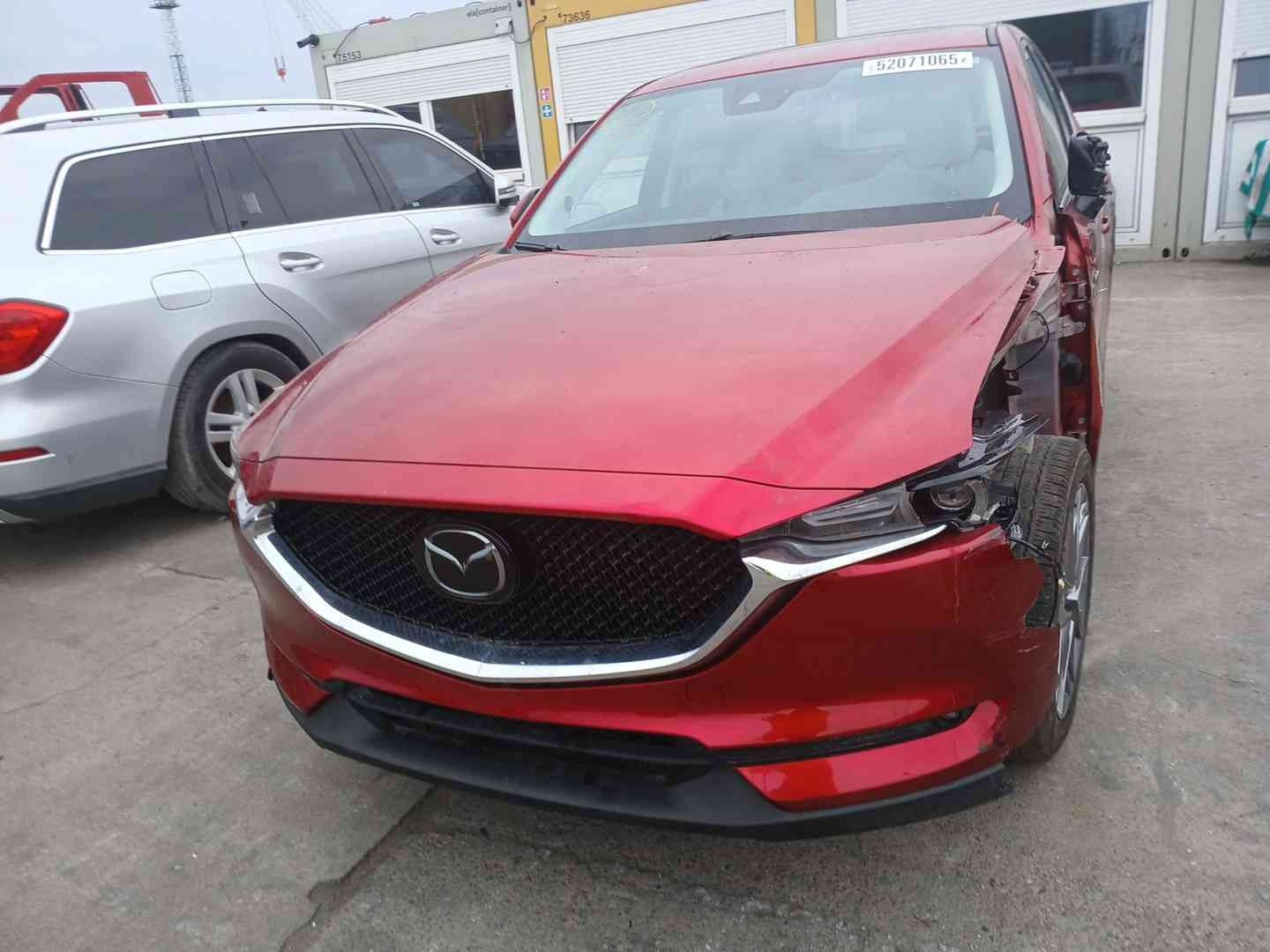
Mazda CX-5 2016-2018 (2.0 / 2.5 Skyactiv)
One of the most balanced options in terms of service life and resale. The classic 6-speed Aisin automatic transmission remains reliably operational even after 180,000 km. Suspension maintenance is slightly more expensive than on Korean rivals, but the body and paint finish hold up better than average, so corrosion problems are rare. It is specifically the naturally aspirated versions that retain value well. A turbodiesel is less cost-effective in this budget.
Toyota RAV4 2016-2018 (2.5 gasoline)
The leader in residual value after 2-3 years of use. Even with 200,000 km on the odometer, the vehicle can be sold without any serious price reduction. The 2AR-FE engine is durable, and the U660F transmission is reliable with regular oil changes. The downside is the higher initial purchase price and the cost of original parts. Demand is high across Ukraine's regions.

Hyundai Tucson / Kia Sportage 2017-2019 (2.0 MPI)
A rational choice in terms of maintenance costs. The naturally aspirated engine is simple and repairable, but once mileage exceeds 170,000 km, it is worth checking oil consumption and the condition of the catalytic converter. Versions with the 1.6 T-GDI and DCT robotic gearbox are more expensive to maintain and sell worse on the used market. The vehicle is in demand on the secondary market thanks to its mass availability and accessible spare parts.

Ford Escape 2017-2019 (2.5 naturally aspirated)
The optimal configuration within the model range. Turbocharged 1.5 EcoBoost versions more often require attention to the cooling system and turbocharger after 120,000-150,000 km. The naturally aspirated version is simpler and cheaper to maintain. It trails Japanese rivals in liquidity, but wins on entry price and equipment level.

C-Class Sedans and Hatchbacks
Within a $15,000 budget, the C-class offers the most predictable ownership-cost options. Average fuel consumption is lower here (7-9 L/100 km) than in a compact crossover, the suspension is cheaper, the braking system is simpler, and the curb weight is lower, which means less load on the transmission. In this segment, the TOP cars under $15,000 are defined not by the model itself, but by a specific engine-transmission combination and how it behaves after 150,000-200,000 km.
Toyota Corolla 2017-2019 (1.8 gasoline, CVT)
The 2ZR-FE engine can easily cover 250,000 km with oil changes every 7,000-8,000 km. The K313-type CVT requires fluid replacement every 40,000-60,000 km, because if this is ignored, vibrations and pulley wear appear. The suspension is inexpensive, and the rear torsion beam is durable. The main advantage is high liquidity. The model sells quickly even with 180,000-200,000 km. But to get a more durable car for this money, you can import one from the US for up to $15,000. On American Toyota Corolla cars, the risk of rolled-back mileage is lower thanks to priority official servicing and VIN-based history checks through Carfax and AutoCheck.
Hyundai Elantra 2018-2020 (2.0 MPI, 6AT)
The G4NA engine (Nu 2.0 series) can cover 200,000+ km with normal maintenance, but it is important to check the condition of the catalytic converter and the absence of scoring on early versions. The classic 6-speed A6GF1 automatic is predictable if the oil was changed every 60,000 km. Suspension and brake disc costs are lower than on crossovers. Liquidity is supported by the model's mass-market nature and remains fairly high if the car has been regularly serviced and there is proof of scheduled maintenance.

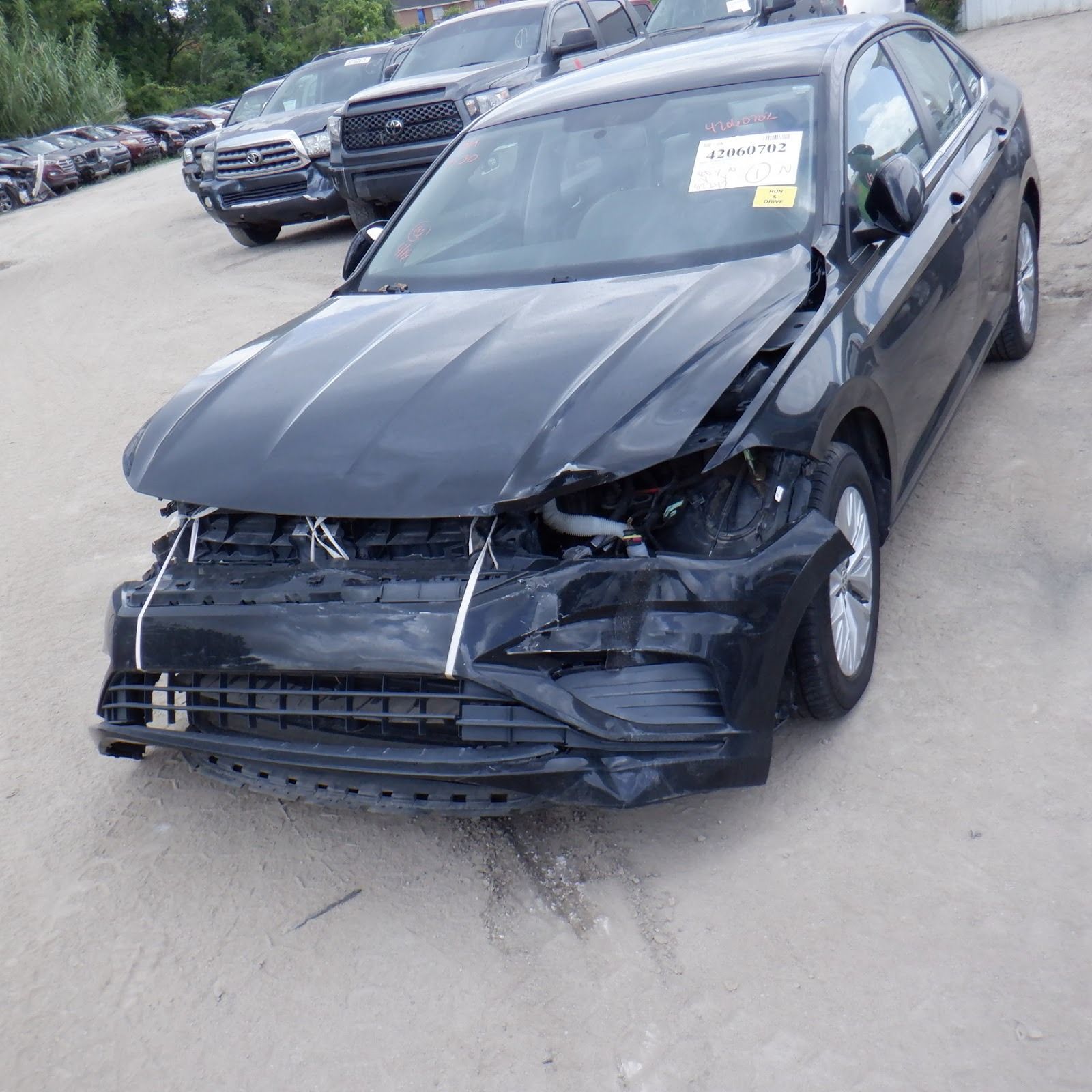
Volkswagen Jetta 2017-2019 (2.0 naturally aspirated, 6AT)
The naturally aspirated 2.0 MPI is simpler and cheaper to maintain than the 1.4 TSI. Turbo versions are sensitive to oil-change intervals and the condition of the timing drive. A classic torque-converter automatic is more reliable than a DSG in this budget. Suspension maintenance is a bit pricier than for Korean rivals, but handling and sound insulation are better. With the right configuration, the car steadily retains its value and can be considered for resale a few years later.
Kia Cerato 2017-2019 (2.0 gasoline, 6AT)
Technically, it is close to the Elantra, but it often comes with richer equipment within the same budget. The G4NA engine requires oil-consumption monitoring after 150,000 km. The automatic transmission is reliable with regular fluid changes. The body is corrosion-resistant, but the geometry should be carefully checked after accidents. If you import such a car from the US for up to $15,000, you can select options without damage to the body's load-bearing structure.
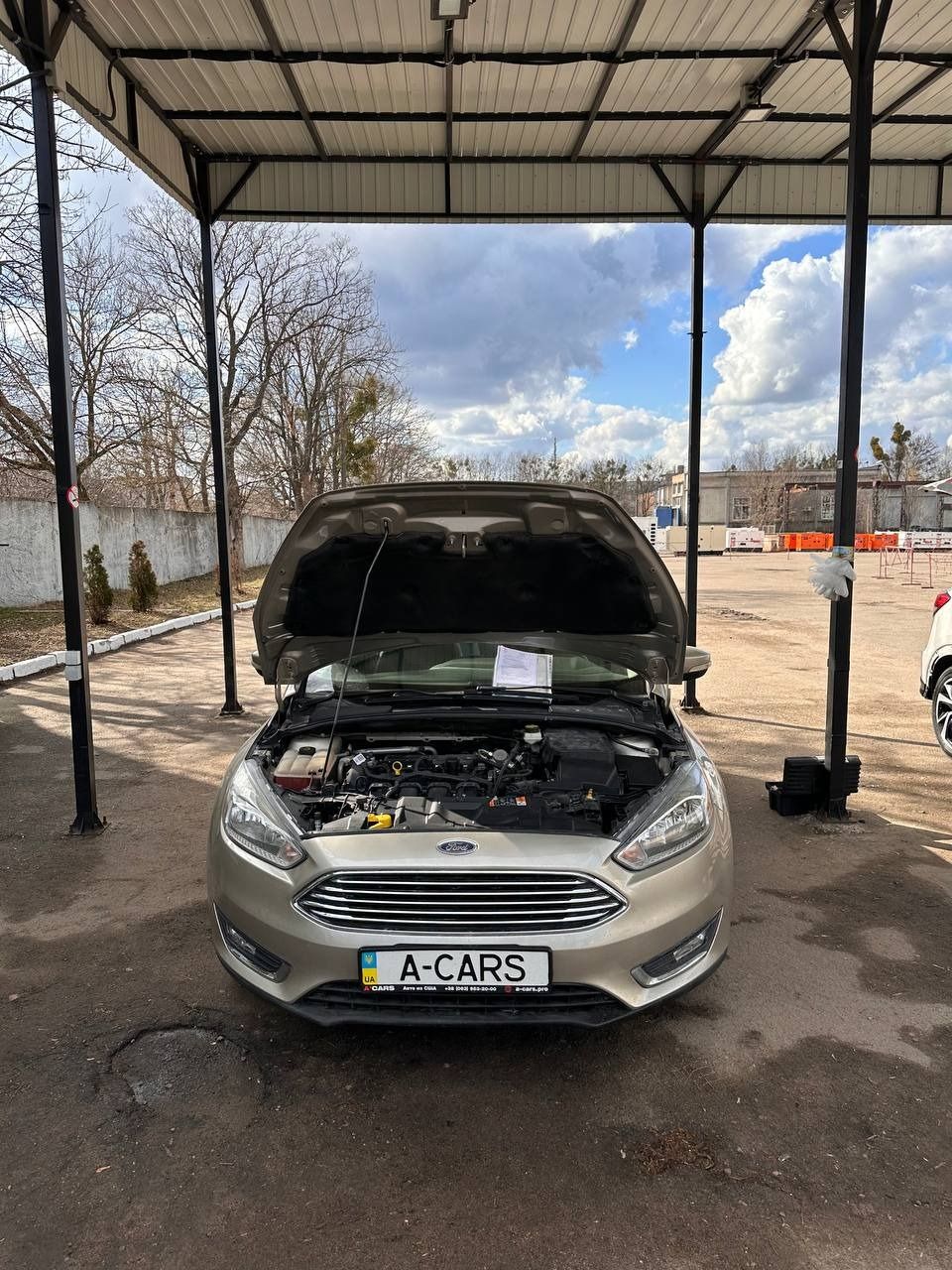
Ford Focus 2017-2019 (2.0 gasoline, 6AT)
It makes sense to avoid the PowerShift robotic gearbox (6DCT250), which may require costly clutch and mechatronics repairs after 120,000-150,000 km. On the American market, the torque-converter 6F35 is more common, while the 6DCT250 PowerShift is widespread in European versions. The version with a conventional automatic is noticeably more stable. The 2.0 Duratec engine has good service life with normal maintenance. The suspension is inexpensive, but sensitive to poor roads: stabilizer bushings and struts need replacement more often than average.
D-Class
With a $15,000 budget, the D-class brings more responsibility in terms of configuration choice. Vehicles here are heavier, suspension is more expensive, and climate systems and electronics are more complex. That is why the TOP cars under $15,000 include not the most prestigious versions, but those whose engine and transmission have proven their service life after 180,000-220,000 km.
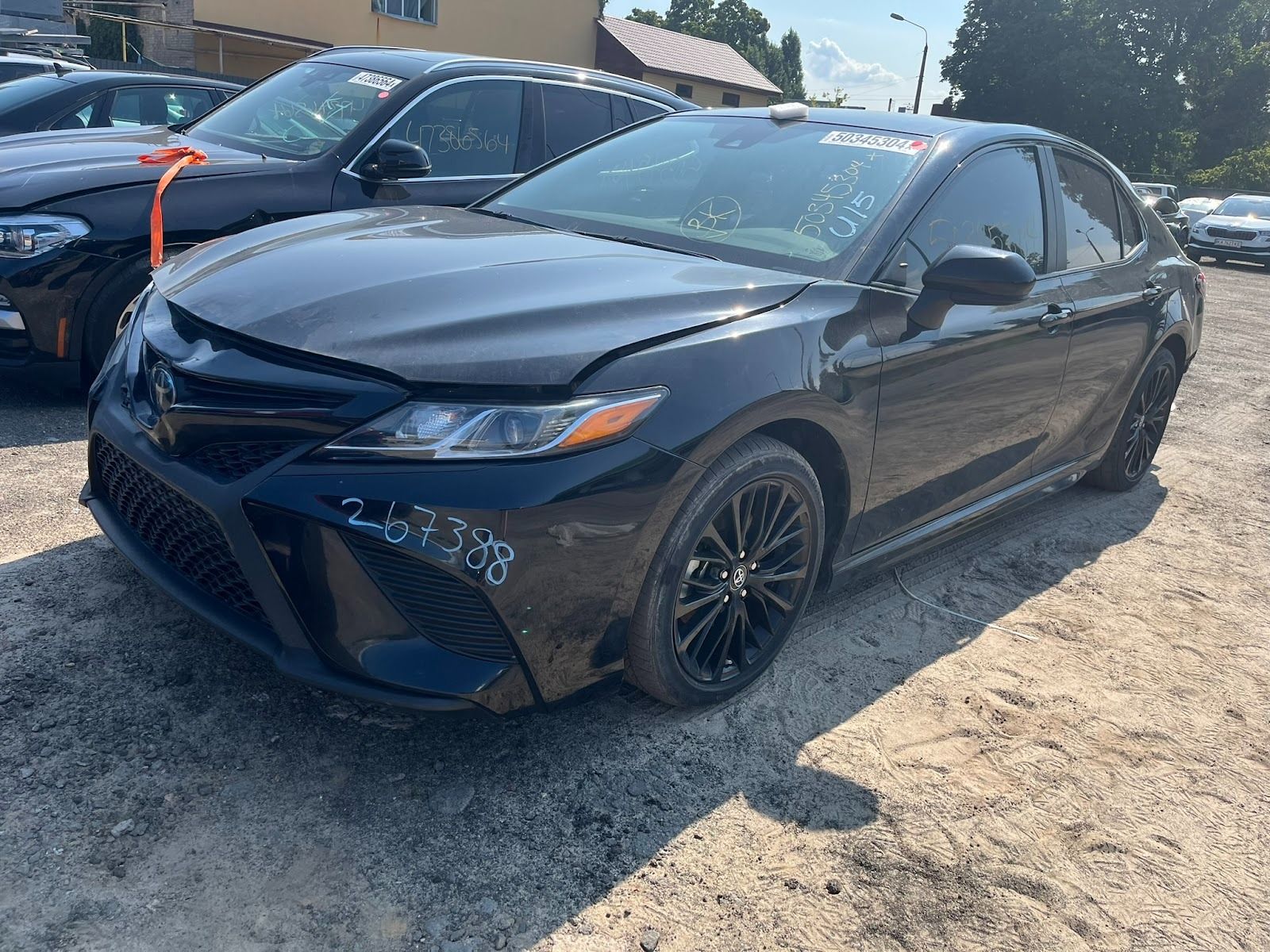
Toyota Camry 2016-2018 (2.5 gasoline, 6AT)
The 2AR-FE engine is durable and can easily cover 300,000 km without a major overhaul if the oil is changed every 7,000-8,000 km. The torque-converter U760E/U660E transmission is unpretentious, especially if the fluid was changed every 50,000-60,000 km. The suspension is soft, but stabilizer bushings and struts wear out faster than average because of the car's weight. Even so, the Camry sells faster than most competitors even with 200,000 km on the odometer.
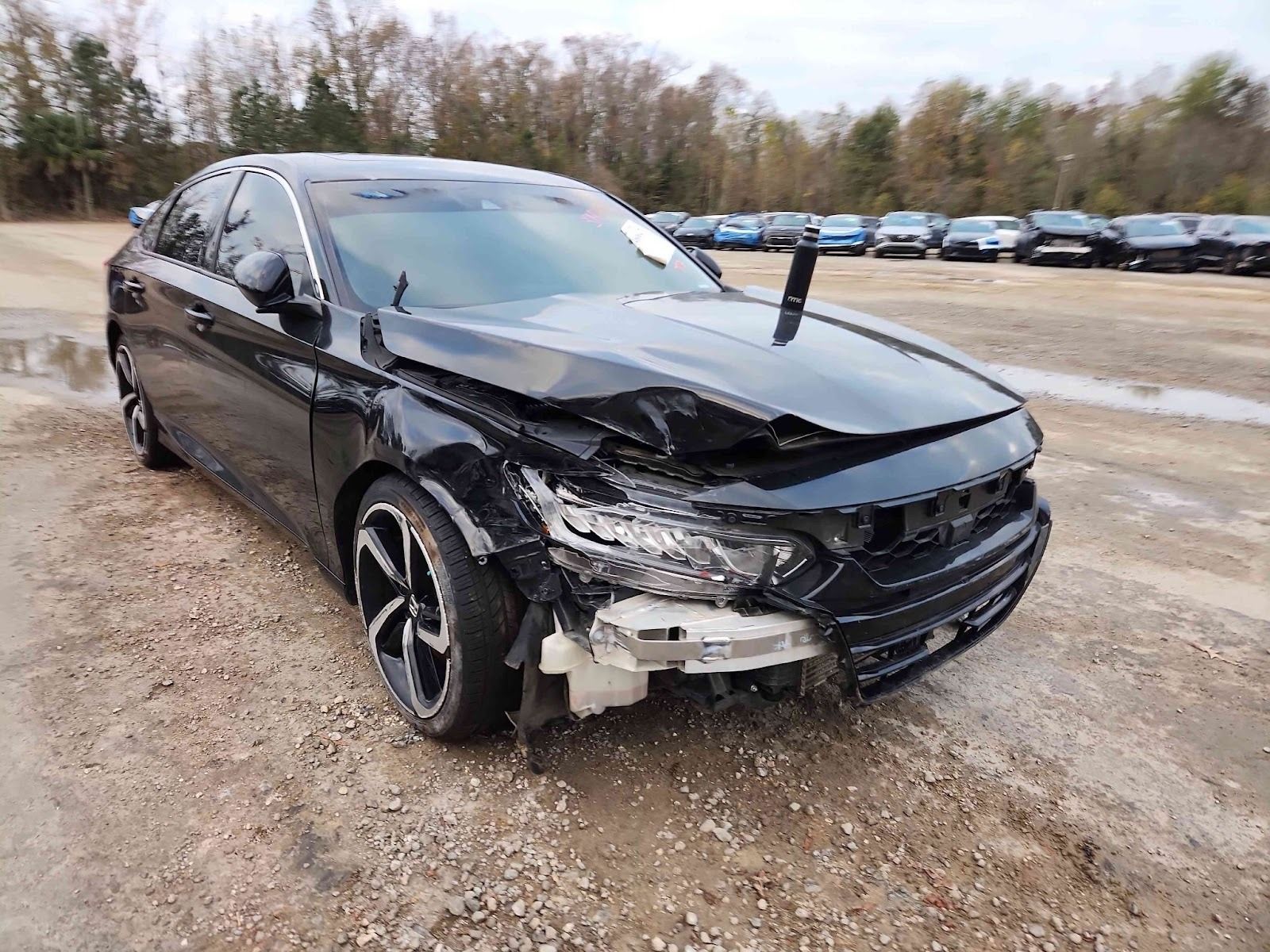
Honda Accord 2016-2018 (2.4 i-VTEC, CVT)
The K24W engine is resilient beyond 250,000+ km if the oil level is monitored. The Honda CVT requires regular changes of the original HCF-2 fluid, otherwise jerks and belt wear appear. The suspension is multi-link, more expensive than in the C-class, and stiffer than the Camry's, but handling is better. Liquidity is high, but only for the naturally aspirated 2.4 version; the 1.5 turbo in this budget is much more expensive to maintain.
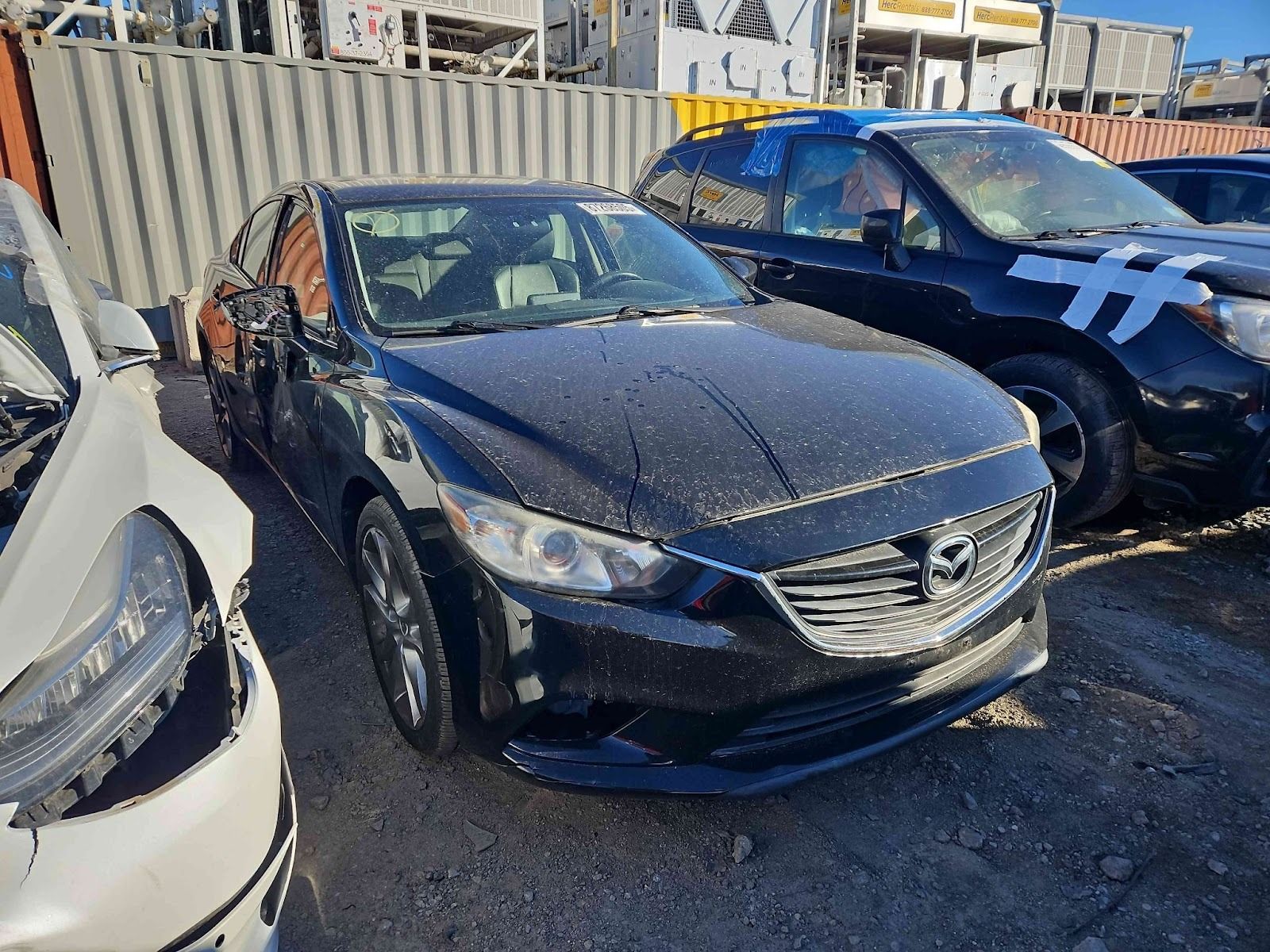
Mazda 6 2016-2018 (2.5 Skyactiv, 6AT)
The naturally aspirated high-compression PY-VPS is sensitive to fuel quality, but with proper maintenance its service life exceeds 250,000 km. The 6-speed hydromechanical automatic works steadily after 180,000-200,000 km with regular oil changes. The body resists corrosion better than previous generations, but it is important to check paint thickness. If you consider cars from the US for up to $15,000, you can find fully healthy examples with complete service history.
Volkswagen Passat B7/B8 (2016-2018, 2.5 MPI or 1.8 TSI, 6AT)
TSI turbo engines from this period are free from some of the issues of earlier versions. The 1.8 TSI turbo requires monitoring of the timing chain and oil-change intervals, otherwise increased oil consumption is possible. The optimal configuration is the one with a torque-converter automatic. In this budget, a DSG increases the risk of mechatronics and clutch issues after 150,000-180,000 km. The suspension is more complex and more expensive to repair than that of Japanese rivals.

Ford Fusion 2017-2019 (2.5 naturally aspirated, 6F35)
The naturally aspirated Duratec 2.5 is simpler and cheaper than EcoBoost turbo versions. The 6F35 transmission requires oil changes every 50,000-60,000 km, otherwise shift jolts may appear. The suspension is energy-intensive, but sensitive to badly damaged roads - silent blocks and ball joints wear out more often than average. It trails the Camry in liquidity, but wins on starting price and equipment level. When carefully selected without damage to the body's load-bearing structure, it remains a rational D-class option.
Hybrids and Electric Vehicles
Here, the condition of the high-voltage battery, inverter type, cooling, the service life of power electronics, and the cost of replacing modules already matter. In an EV, the battery is the main and most expensive component. In a hybrid, even with partial battery degradation, the vehicle remains functional thanks to the internal combustion engine. In Ukraine, the TOP cars under $15,000 in this group are models with mass-market architecture and accessible HV-system diagnostics.
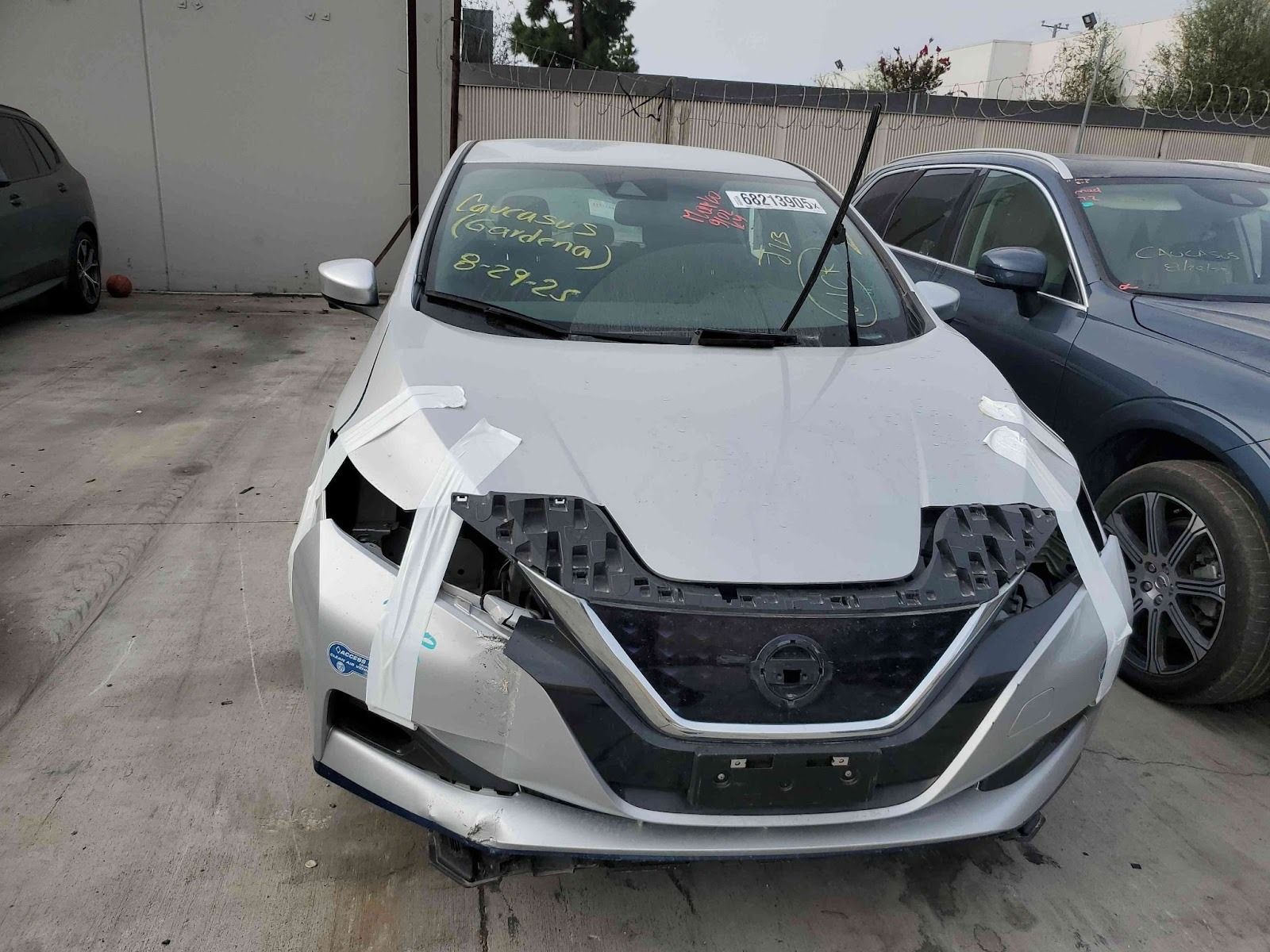
Nissan Leaf 2019-2021 (40 kWh, BEV)
In this budget, it makes sense to look for the second generation with a 40 kWh battery. The Leaf has no liquid battery cooling, so degradation directly depends on the frequency of DC fast charging (CHAdeMO) and the operating climate. In 2026, a reasonable choice is an example with SOH of at least 85%, no module imbalance (cell difference up to 20-30 mV), and no LBC errors. The design is simple - a reduction gear without a complex transmission and a minimum of consumables, which lowers the risk of costly powertrain repairs and preserves liquidity when the battery is healthy.
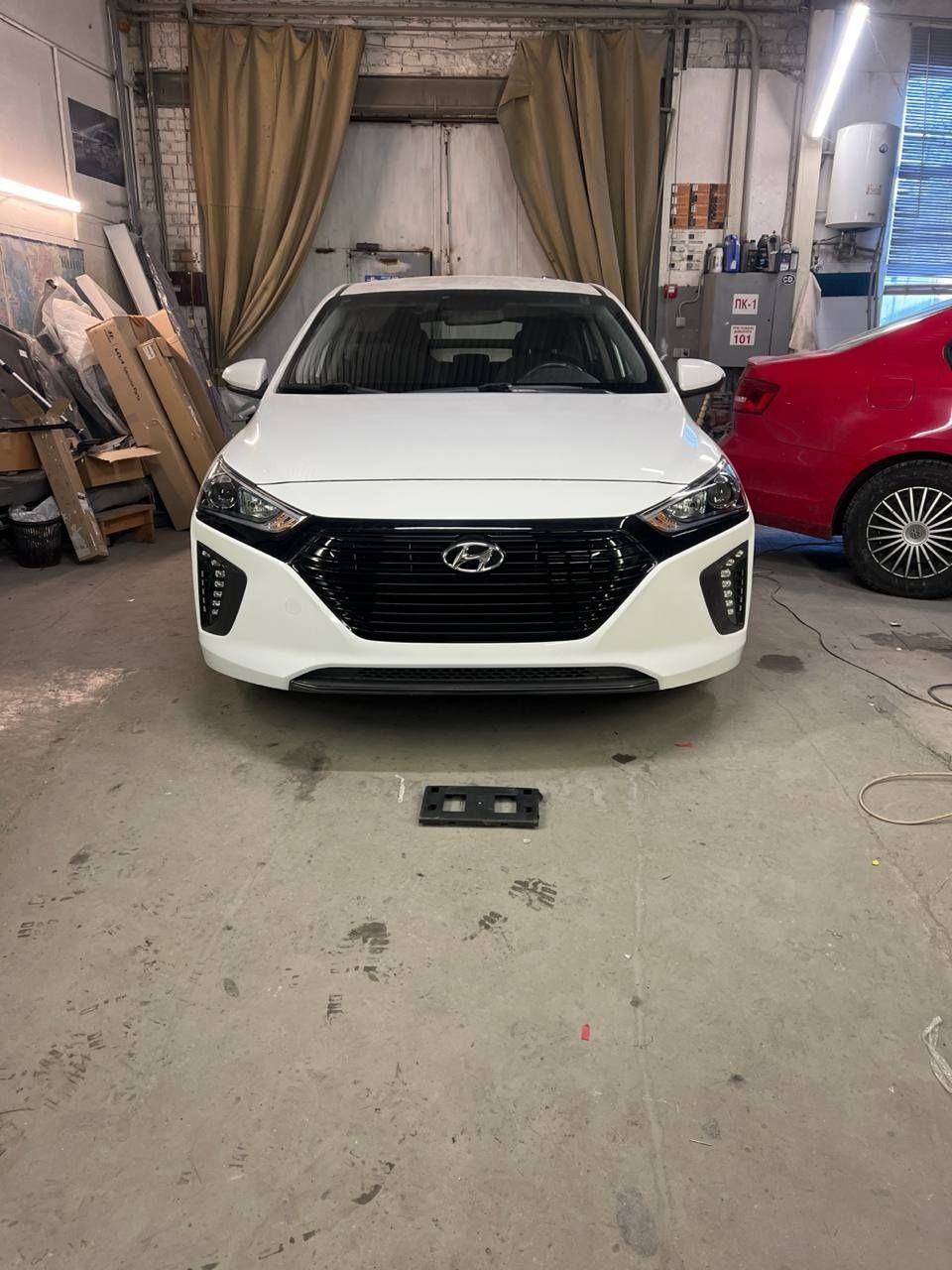
Hyundai Ioniq Electric 2018-2019 (28-38 kWh, BEV)
Unlike the Leaf, the Ioniq uses liquid battery cooling, which significantly slows degradation to 2-3% per year. The reduction gear is simple in design, and the inverter is reliable when not overheated. When choosing, check the number of DC charging sessions, battery temperature peaks, and the absence of charging-power limitations. With a healthy battery, the model remains one of the most rational EVs under $15,000.
Toyota Prius 2017-2019 (1.8 Hybrid, e-CVT)
The fourth-generation hybrid system operates with a planetary e-CVT transmission without belts or pulleys. Versions with Ni-MH and Li-ion batteries are both found; with proper ventilation and a clean cooling channel, both can work for more than 200,000-250,000 km without a sharp loss of capacity. The main risk is overheating due to a clogged battery-block filter. With confirmed hybrid-system diagnostics, such a car from the US for up to $15,000 retains stable liquidity thanks to its simple e-CVT and low load on the internal combustion engine.
Chevrolet Volt 2017-2018 (PHEV, 18.4 kWh)
The second generation is equipped with an 18.4 kWh LG Chem battery with active liquid cooling. On healthy examples, residual capacity often remains at 85-90% after 7-8 years of use. In urban driving, a significant portion of mileage is covered on electric power, while the gasoline engine works as a generator, reducing wear. During inspection, check residual capacity, the absence of HV-circuit errors, and proper operation of the charging module. With confirmed HV-system diagnostics and no BECM errors, the Volt remains a rational option.
Cars from the US Under $15,000 in 2026: When Importing Improves Liquidity
If a car in Ukraine costs up to $15,000, then with a smart bid at a US auction (Copart, IAAI), taking into account shipping, fees, customs clearance, and repairs, the same model may cost 15-30% less. Almost any car can be bought cheaper than on the Ukrainian used market and later sold without financial risk.
American versions are often better equipped and differ in automatic transmission calibration, safety packages, and multimedia. With a proper VIN check (through Carfax and AutoCheck databases) and selection of cars without damage to the body's load-bearing structure, it is realistic to import, for example, a 2019 Honda CR-V, a 2020 Nissan Altima, or a 2020 Ford Escape Hybrid within a budget of up to $15,000, while such configurations cost more on the Ukrainian market.
Risk arises when customs clearance and restoration costs are calculated incorrectly. With an expert approach, importing a car from the US is a tool for getting a higher class and a better configuration for the same money.