Kyiv
Kyiv


What is a plug-in hybrid (PHEV) and how is it better than a regular one in Ukraine?
Articles
Table of Contents
A plug-in hybrid (or PHEV) is a class of vehicle with a hybrid powertrain in which an internal combustion engine is paired with a high-voltage electric motor. The system uses a larger battery capable of receiving charge from external AC or DC sources, which is the main difference from traditional hybrids. An electronic control unit distributes the load between the internal combustion engine and the electric motor, selecting one of the operating modes—electric, hybrid, or support—depending on the charge level, driving style, and power consumption.
This format is at the peak of popularity in Ukraine. The Acars team has already imported over a hundred PHEVs from the US , so we have accumulated extensive experience in diagnosing, selecting, and servicing models such as the Toyota RAV4 Prime, Mitsubishi Outlander PHEV, Hyundai Tucson PHEV, Kia Sorento PHEV, Ford Escape PHEV, Volvo XC60 T8, BMW X5 45e, and others. We're ready to share how these vehicles actually perform in Ukrainian conditions.
What is a plug-in hybrid in simple terms?
A plug-in hybrid is a vehicle with two energy sources that can operate as an electric car in the city and as a conventional gasoline-powered car in the countryside. The main difference from a conventional hybrid is that a plug-in hybrid (also known as a plug-in hybrid ) has a larger battery and can be charged from the grid, providing a separate electric range. Unlike an electric vehicle, however, this type of vehicle is virtually independent of charging infrastructure because when the charge runs low, the internal combustion engine, using the fuel tank, kicks in, and the car continues driving like a conventional hybrid .
Compare a regular hybrid, plug-in hybrid , and electric vehicle in a table.
|
Parameter / System Type |
Conventional hybrid (HEV) |
Plug-in hybrid (PHEV) |
Electric vehicle (BEV) |
|
Energy sources |
Internal combustion engine + low-power battery |
Internal combustion engine + high-voltage electric motor + enlarged battery |
High voltage battery only |
|
Charging from a socket |
No |
Yes (AC, sometimes DC) |
Yes (AC/DC) |
|
battery capacity |
0.8-2 kWh |
8-20+ kWh |
40-100+ kWh |
|
Electric range |
1-3 km |
30-70 km in real conditions |
Full route |
|
Types of power modes |
Electric pickup, recuperation |
Electric, hybrid, support |
Electric only |
|
Power plant weight |
Low |
Medium/high |
High |
|
Power system architecture |
Parallel hybrid circuit |
Parallel + serial (depending on model) |
Fully electric |
|
Fuel tank capacity |
Full |
Reduced or standard (depending on model) |
No |
|
Dependence on charging infrastructure |
Absent |
Partial |
Full |
PHEV technology was developed to utilize electric mode where it's most efficient—in the city. At the same time, the hybrid architecture allowed the internal combustion engine to be reserved for highway driving and high speeds. Therefore, plug-in hybrids have become top-of-the-line vehicles, especially in Eastern European countries, with harsher climates and unevenly developed charging infrastructure.
Why do the actual fuel consumption and range figures for PHEVs differ from the stated figures?
In the US, fuel consumption and battery range figures are calculated using EPA cycles. Experience shows that these figures are closer to reality than the European WLTP cycle. However, since testing is conducted at temperatures around +20°C, at a constant speed and without intensive acceleration, on better-quality roads, actual figures in Ukraine are slightly lower than the US figures. However, a 15-30% difference from the stated figures, especially in the used market, is considered normal for plug-in hybrids .
PHEV Works : Understanding the Basics
To explain the PHEV from an engineering perspective, imagine a parallel-series powertrain system in which power is distributed between the electric motor and the internal combustion engine depending on the load. In urban driving conditions, the electric drive acts as the primary source of propulsion. It is engaged at start-up, maintaining a speed of 40-70 km/h without consuming any fuel. The internal combustion engine only engages when high power is required—during acceleration, overcoming obstacles, high-speed highway driving, or when the battery is discharged. In a plug-in hybrid, the electric motor always takes priority, while the internal combustion engine serves as a supporting module, engaging at the control unit's request.
In Ukraine, the average traction battery with a capacity of 8-20 kWh provides 30-70 km of real-world electric range in summer and 20-40 km in winter (since modern NCM and NCA cells lose up to 25-35% of their available capacity when cooled below 0°C). In cold weather, the car exits pure EV mode more quickly. In freezing temperatures, the internal combustion engine also starts to warm up components and stabilize traction, so the proportion of electric range naturally decreases in winter, which is a normal operating mode for any hybrid system with a high-voltage battery. The battery's operating window is limited by the management system; typically, 65-80% of the actual capacity is used to extend its life.
Plug-in hybrid charging time , power, and charging station types
A plug-in hybrid can be charged from either a 220V household outlet (2.0-3.5 kW, a full charge takes 5-8 hours) or from AC charging stations with a capacity of 3.3-7.2 kW (2-4 hours). Some vehicles (such as the latest generation Mitsubishi Outlander PHEV and some European PHEVs) support direct current (DC) charging at up to 25-50 kW, allowing up to 80% of the battery to be recharged in 25-35 minutes. Charging speed is limited not by the station, but by the capabilities of the built-in inverter and the thermal limits of the battery.
How to drive a plug-in hybrid correctly?
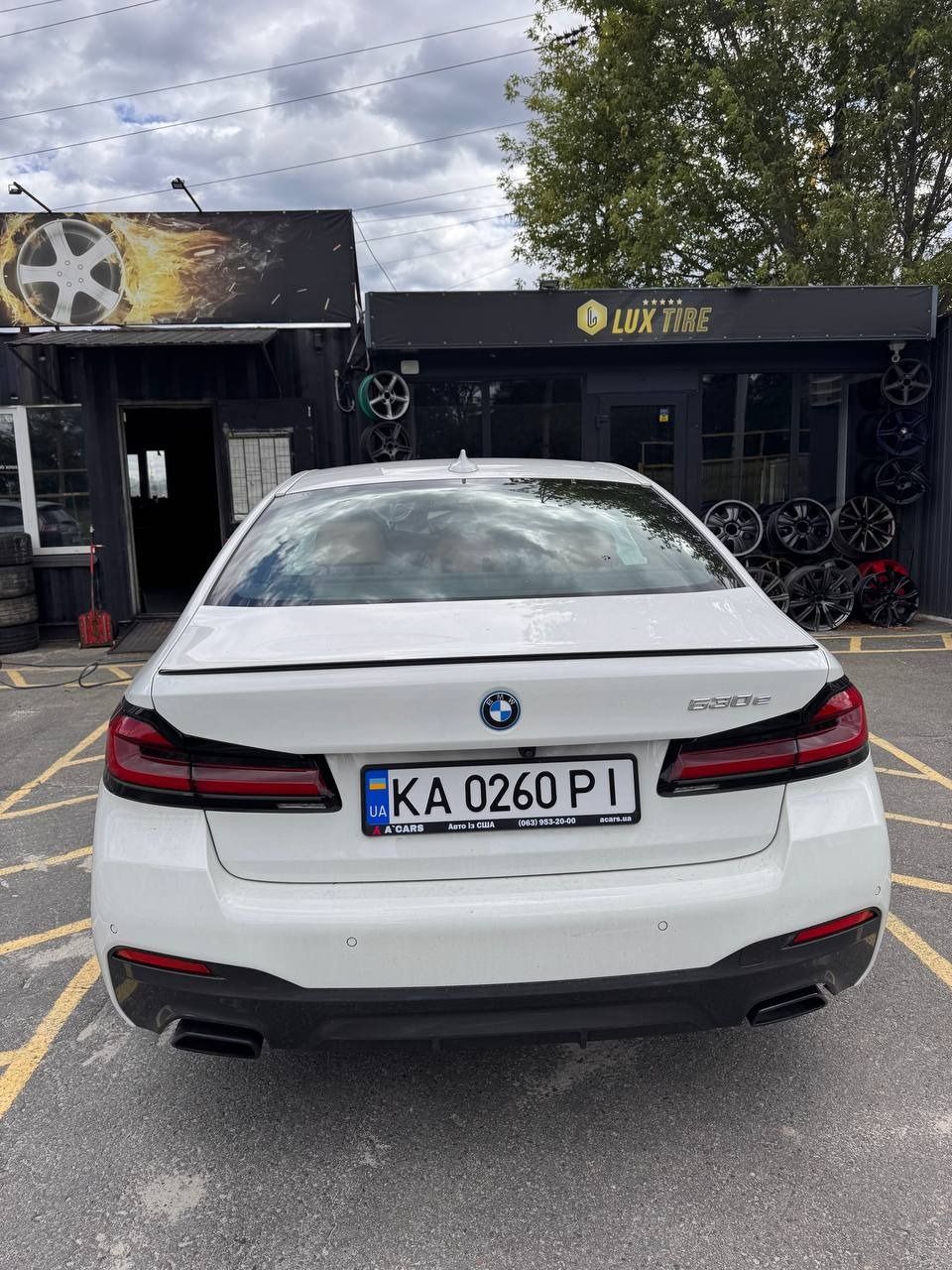
With a plug-in hybrid, the driver doesn't manually switch modes. Electronics do, but your driving style directly determines which mode will prevail and how much you actually save:
- City, 10-30 km range. Full EV mode is possible. The internal combustion engine does not engage during smooth starts and at speeds up to 50-60 km/h. If you don't accelerate sharply, you can avoid starting the engine entirely.
- Mixed route (city and highway). The car spends part of the journey in EV mode, while the electric motor and combustion engine work together during acceleration and uphill climbs. Don't drain the battery completely during the first few kilometers— a plug-in hybrid is more efficient when its energy reserves are available to support the combustion engine.
- Highway speed: 90-120 km/h. The combustion engine provides the primary traction. The electric motor assists during overtaking and adjusts the load. Fuel economy is there, but less than in the city, which is typical of hybrids.
- Traffic jams and cold weather. Frequent starts and heating reduce EV mode. The internal combustion engine starts earlier to warm up and provide stable traction. Fuel consumption is higher, but still lower than a car with an internal combustion engine only.
How to properly operate a hybrid
A plug-in hybrid cost and when is it really profitable?
PHEVs are on average 15-40% more expensive than their internal combustion engine counterparts, but cheaper than new electric vehicles in the same class. After analyzing the fuel consumption of various models, we concluded that the price is only justified if the vehicle is driven regularly in EV mode:
- on short daily routes, fuel consumption is reduced to 1.5–3.5 l/100 km;
- Without charging, consumption increases to the level of a regular gasoline crossover (7-10 l), and the advantage of the hybrid disappears.
The challenges of PHEV vehicle maintenance
A plug-in hybrid has a high-voltage battery, inverter, electric motor, and liquid cooling, making the system inherently more complex than an internal combustion engine. However, this is offset by lower stress on mechanical components, as brakes wear more slowly thanks to regenerative braking, and the engine operates in more gentle modes. With proper operation, a plug-in hybrid battery can last for 150,000-250,000 km (according to US market statistics).
How to drive a PHEV hybrid on Ukrainian roads?
The main risks to a hybrid system are not vibrations, but rather impact loads on the underbody and corrosion of components in the battery area—these are the consequences of potholes, winter chemicals, and suspension breakdowns. To protect the system and extend its lifespan, we recommend:
- install steel or composite protection from below;
- periodically check the condition of the battery casing and fasteners;
- Avoid suspension breakdowns on large uneven surfaces.
This is especially important for models with lower ground clearance, such as the Ford Escape PHEV or Hyundai Tucson PHEV.
Why is the highway fuel consumption of a plug-in hybrid higher than owners expect?
At speeds of 100-120 km/h, high aerodynamic losses make the electric motor ineffective as the primary source of propulsion, while the PHEV's heavy weight increases the mechanical load. Therefore, fuel consumption on the highway is naturally higher than in the city. This isn't a drawback, but a technical feature: the PHEV is designed for city, suburban, and mixed driving, not for fuel-efficient cruising at 120 km/h.
American Plug-in Hybrids in Ukrainian Conditions: Real Benefits Based on Acars' Experience
American plug-in hybrids benefit from their extensive standard equipment. In the US, even standard versions are equipped with high-capacity batteries, modern safety systems, and a full climate control package, which is often unavailable in their European counterparts. Most of these cars are either leased or serviced exclusively by the dealer network during the warranty period, so Acars has access to the vehicle's full repair and maintenance history. We check the HV battery condition with a scanner before purchasing the vehicle. Another important advantage is that customs clearance of PHEVs in Ukraine is currently cheaper than that of a full-fledged gasoline car, which significantly impacts the final price. We fully support the purchase, inspection, delivery, and customs clearance of plug-in hybrids , maintaining quality control across every aspect of our service.